

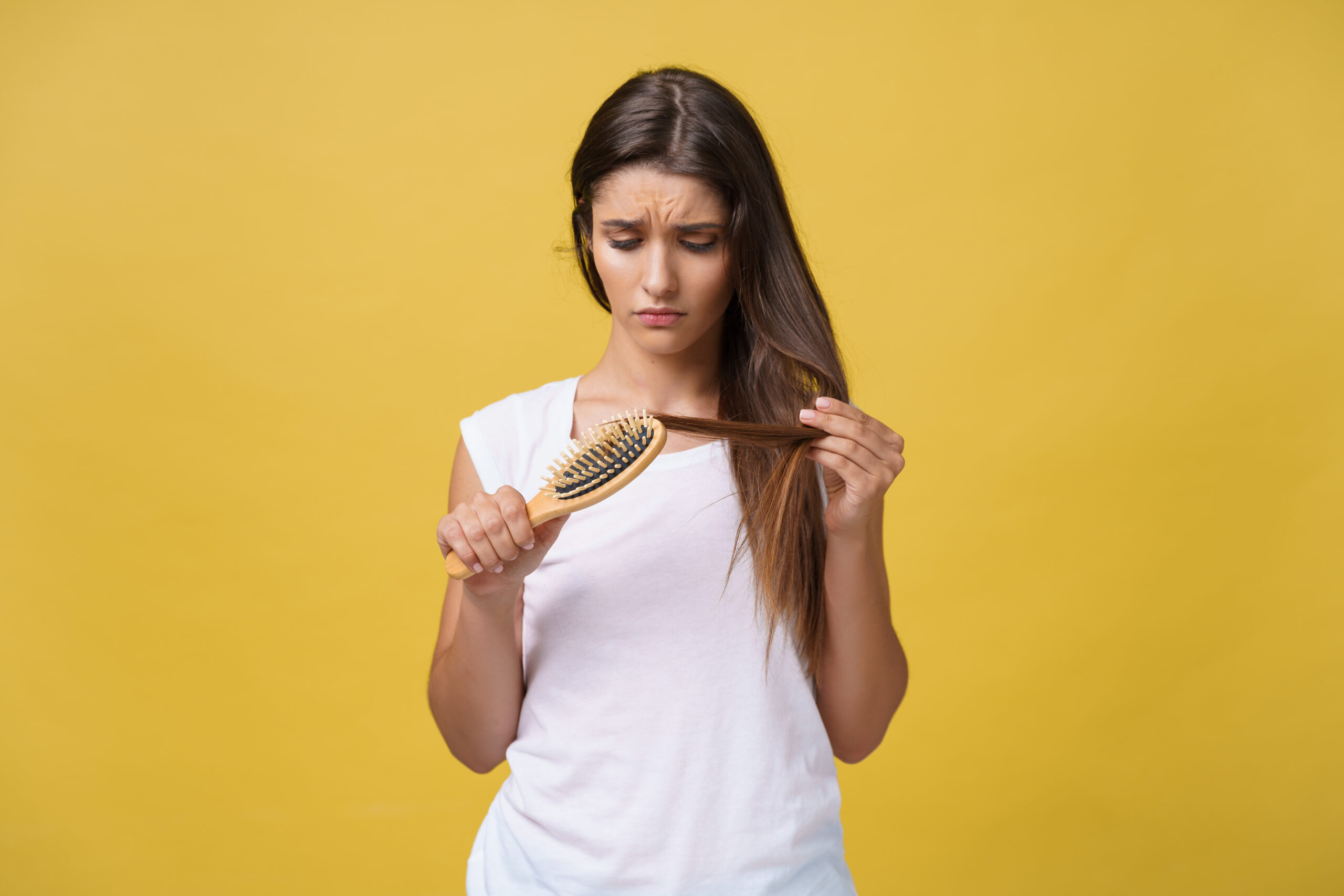
Hair loss is often associated with men, but many women also experience thinning hair or excessive hair shedding at different stages of life.
Hair loss in women can affect confidence and may sometimes indicate underlying health or hormonal changes.
What causes hair loss in women?
Several factors can contribute to hair loss in women, including:
- Hormonal imbalances
- Stress and lifestyle factors
- Nutritional deficiencies
- Medical conditions
- Genetics
Hair loss may appear as gradual thinning, widening of the hair parting, or increased shedding during brushing and washing.
When should you be concerned?
Occasional hair shedding is normal. However, if hair fall becomes excessive or noticeable thinning appears, it may be a sign that professional evaluation is needed.
Early treatment can often help slow down or reverse hair thinning.
Modern treatments for hair loss
Dermatologists now offer several treatments that help stimulate hair growth and strengthen hair follicles.
PRP Therapy
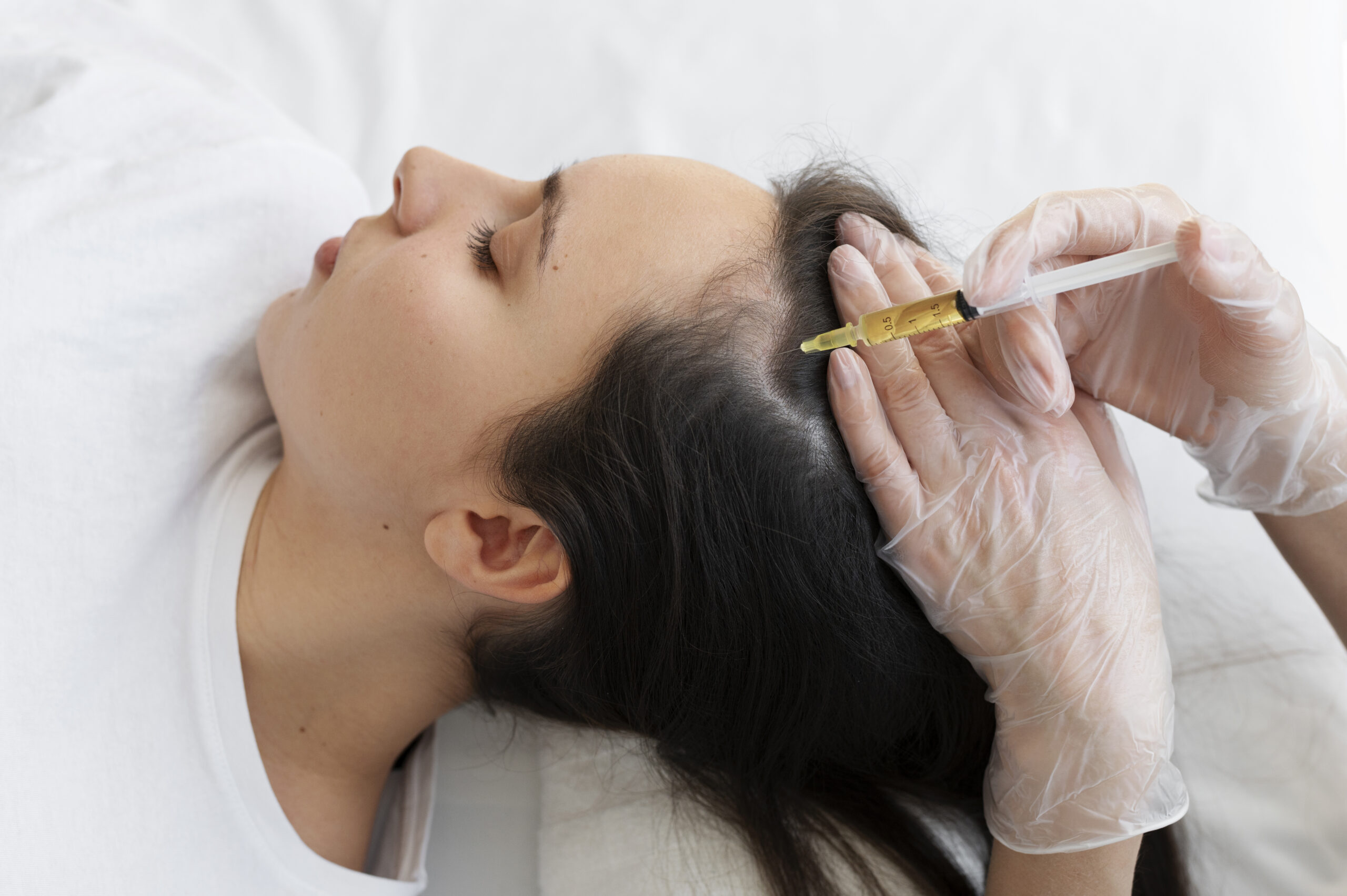
PRP therapy uses growth factors derived from the patient’s own blood to stimulate hair follicles and promote regrowth.
Scalp Treatments
Advanced scalp treatments help improve blood circulation and nourish hair roots.
Medical Hair Growth Therapies
Certain treatments focus on strengthening existing hair and encouraging new hair growth.
Who Is an Ideal Candidate for PRP Hair Treatment?
PRP hair treatment works best for individuals in the early stages of hair thinning or hair loss. It is especially effective for those experiencing pattern hair loss or reduced hair density.
However, results may vary depending on the underlying cause. A proper consultation helps determine if PRP is the right treatment for your hair concerns.
Final Thoughts
Hair loss in women can occur for many reasons, but modern dermatology offers effective solutions to address the problem.
Identifying the root cause early can significantly improve treatment outcomes.
Seeking professional guidance can help restore healthier, fuller hair over time.