
Rosacea and acne can look surprisingly similar, but they are two different skin conditions that require different treatments. Both can cause redness and bumps on the face, leading people to treat rosacea with acne products. Unfortunately, this can make rosacea worse. The key difference is that acne develops because of clogged pores, excess oil, and bacteria, while rosacea is a chronic inflammatory skin condition that primarily affects the central face. An accurate diagnosis is essential because the right treatment depends on identifying which condition you have.
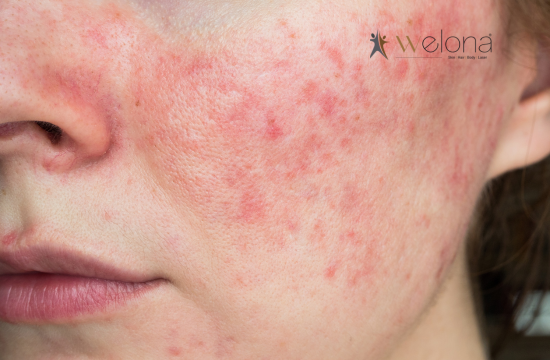
Your face suddenly starts breaking out. Small red bumps appear across your cheeks and nose. The skin feels sensitive, looks constantly flushed, and sometimes even burns after applying your usual skincare products. Naturally, you assume it’s acne. You buy an acne face wash, apply stronger exfoliating products, and wait for your skin to improve.
Instead, the redness becomes more noticeable. If this sounds familiar, you may not have acne at all. You could be dealing with rosacea, a common but often overlooked skin condition that affects millions of people worldwide. Because rosacea and acne share several similar features, many people misdiagnose themselves and unknowingly make their skin worse. Understanding the differences can help you seek the right treatment much earlier.
Why Rosacea Is Commonly Mistaken for Acne
At first glance, the two conditions can look remarkably similar.
Both can cause:
- Red bumps
- Facial redness
- Sensitive skin
- Occasional pus-filled spots
However, that’s where the similarities begin to end. Rosacea is a chronic inflammatory skin condition. Acne is primarily a disorder of the hair follicles and oil glands. Although they may appear alike, they behave very differently and respond to completely different treatments.
What Is Acne?
Acne develops when hair follicles become blocked with excess oil, dead skin cells, and bacteria. This blockage leads to different types of blemishes, including:
- Blackheads
- Whiteheads
- Pimples
- Painful cysts
Acne usually begins during adolescence but can continue well into adulthood. It commonly affects the:
- Face
- Chest
- Back
- Shoulders
People with acne often have oily skin, and untreated breakouts may leave behind pigmentation or acne scars.
What Is Rosacea?
Rosacea is a long-term inflammatory condition that primarily affects the central face. It often begins with episodes of flushing that gradually become more persistent. The American Academy of Dermatology explains that rosacea is a chronic inflammatory skin condition that is frequently mistaken for acne because both can cause facial redness and bumps. However, rosacea requires a different treatment approach and often involves trigger management alongside medical therapy.
As the condition progresses, people may notice:
- Constant redness across the cheeks and nose
- Small red bumps
- Visible blood vessels
- Burning or stinging sensations
- Increased skin sensitivity
Unlike acne, rosacea does not develop because of clogged pores. Instead, it results from a combination of inflammation, changes in blood vessels, genetics, and environmental triggers.
The Signs That Point Towards Rosacea
One of the easiest ways to recognize rosacea is by looking beyond the bumps.
Ask yourself these questions:
- Does your face flush easily after hot drinks or spicy food?
- Does your skin sting when you apply skincare products?
- Do your cheeks stay red even when you don’t have bumps?
- Can you see tiny visible blood vessels around your nose or cheeks?
If the answer to several of these questions is yes, rosacea becomes much more likely than acne.
How Acne Behaves Differently
Acne usually follows a different pattern.
- Blackheads and whiteheads are common.
- The skin often feels oily rather than dry or sensitive.
- Breakouts may appear across the forehead, jawline, chest, and back, not just the center of the face.
- Many patients with acne also notice hormonal flare-ups around their menstrual cycle or periods of increased stress.
Why Treating Rosacea Like Acne Can Make It Worse
This is where many people run into problems. Strong acne treatments often contain ingredients designed to reduce oil production and increase skin cell turnover. While these ingredients can help acne, they may irritate skin affected by rosacea.
Excessive exfoliation, harsh scrubs, alcohol-based toners, and strong acne products can damage the skin barrier and increase redness, burning, and inflammation. That’s why an accurate diagnosis is so important before starting treatment.
What Triggers Rosacea Flare-Ups?
Unlike acne, rosacea often worsens after exposure to specific triggers.
These triggers vary from person to person but commonly include:
- Sun exposure
- Hot weather
- Spicy foods
- Hot beverages
- Alcohol
- Emotional stress
- Intense exercise
- Hot showers
- Certain skincare products
Learning to recognize your personal triggers is an important part of long-term rosacea management.
How Dermatologists Diagnose the Difference
There isn’t a single blood test or scan that confirms rosacea. Instead, dermatologists diagnose the condition by carefully examining your skin and reviewing your medical history.
They look at:
- The pattern of redness
- The location of bumps
- The presence of blackheads or whiteheads
- Visible blood vessels
- Skin sensitivity
- Your history of flushing or flare-ups
This clinical assessment usually provides enough information to distinguish rosacea from acne and recommend the most appropriate treatment.
Treatment Depends on the Diagnosis
Because rosacea and acne have different causes, they require different treatment strategies. For acne, treatment may include medical-grade skincare, prescription medications, chemical peels, or procedures that target acne scars after the breakouts have settled.
Rosacea treatment focuses on reducing inflammation, calming sensitive skin, protecting the skin barrier, and avoiding known triggers. Dermatologists may recommend prescription creams, oral medication in selected cases, laser therapy for persistent redness or visible blood vessels, and a gentle skincare routine designed for sensitive skin.
Although both conditions can improve significantly, success depends on treating the correct diagnosis rather than simply treating the visible bumps.
Can Someone Have Both Rosacea and Acne?
Yes. Some patients experience features of both conditions simultaneously.
For example, someone may have oily skin and acne breakouts while also experiencing facial redness and flushing typical of rosacea. These cases require a carefully balanced treatment plan because overly aggressive acne treatments may aggravate rosacea.
Rosacea Treatment at Welona Chennai
At Welona Skin, Hair, Laser & Body Clinic, every treatment begins with understanding the cause of your skin concern rather than making assumptions based solely on appearance.
During your consultation, dermatologists evaluate:
- The pattern of redness
- Skin sensitivity
- Type of bumps
- Presence of acne lesions
- Lifestyle triggers
- Previous treatments
Based on this assessment, a personalized treatment plan may include medical skincare, prescription medication, laser therapy where appropriate, and guidance on identifying everyday triggers that contribute to flare-ups.
The goal is not only to control symptoms but also to improve long-term skin health and reduce future flare-ups.
To Wrap It Up
Rosacea and acne may look similar, but they are very different conditions. Treating one as the other often leads to frustration because the underlying causes are completely different.
If your skin stays red, feels sensitive, or hasn’t improved with acne treatments, don’t keep experimenting with stronger products. A proper diagnosis can save you months of trial and error and help you choose treatments that genuinely improve your skin. Book your consultation today!
FAQ
Can rosacea be mistaken for acne?
Yes. Both conditions can cause red bumps on the face, but rosacea usually involves persistent redness, flushing, and sensitive skin, while acne commonly includes blackheads, whiteheads, and oily skin.
Does rosacea ever go away on its own?
Rosacea is a chronic condition. Although symptoms may improve with treatment and trigger avoidance, ongoing management is often necessary.
Can acne products treat rosacea?
Not always. Some acne products can irritate rosacea-prone skin and worsen redness.
Is rosacea contagious?
No. Rosacea is not an infection and cannot spread from one person to another.
When should I see a dermatologist?
If facial redness, flushing, or bumps persist despite using acne treatments, it’s worth consulting a dermatologist for an accurate diagnosis and a personalized treatment plan.