

When it comes to professional skin treatments, two names often come up, Hydrafacial and Chemical Peels.
Both treatments aim to improve skin health, but they work in completely different ways.
Understanding the difference can help you decide which one may be more suitable for your skin.
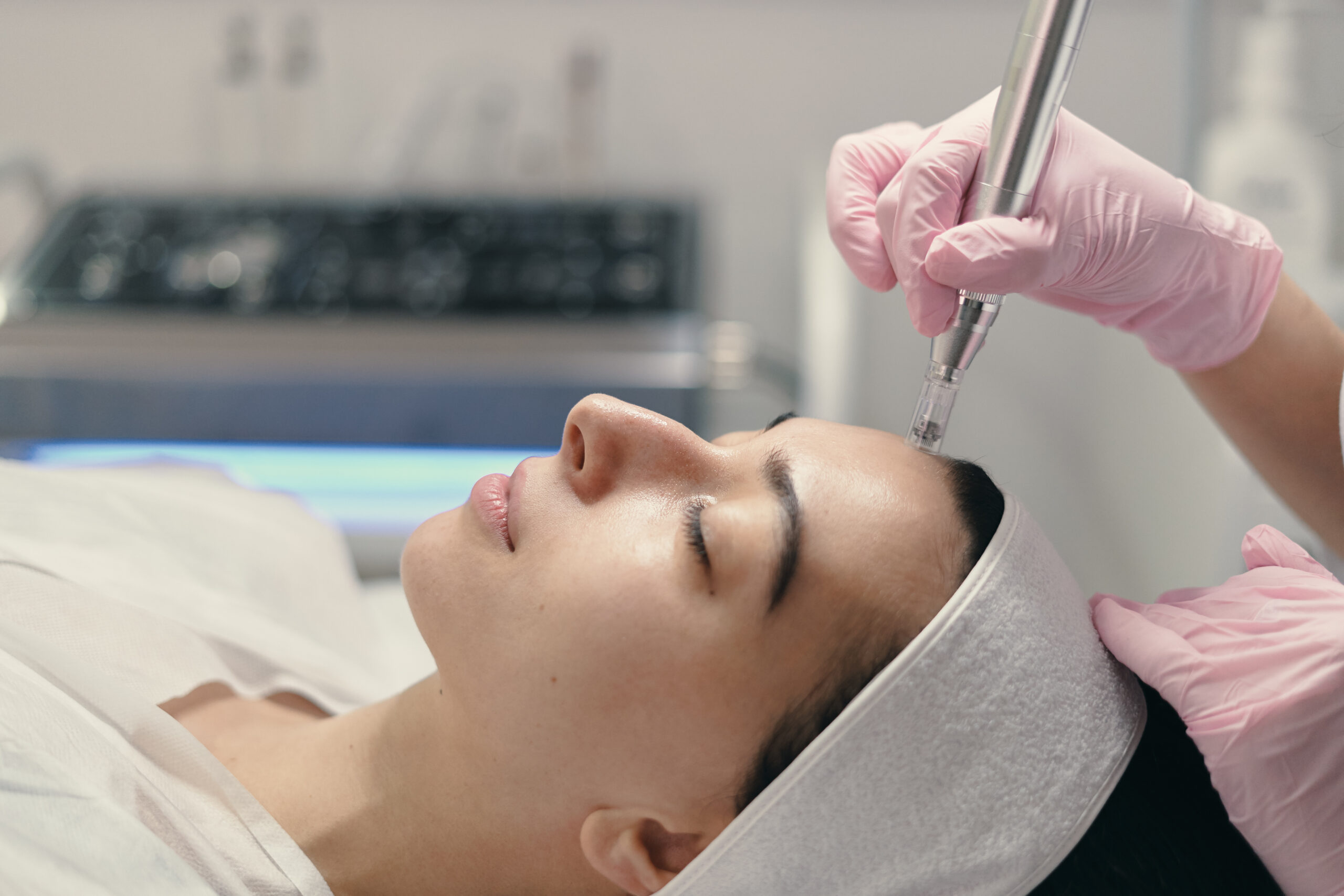
The Hydrafacial Experience
Hydrafacial is a gentle treatment designed to cleanse, exfoliate, and hydrate the skin.
Using a specialized device, it removes impurities from the pores while delivering nourishing serums into the skin.
People often choose Hydrafacial because it:
- Requires little to no downtime
- Leaves the skin instantly refreshed
- Improves hydration and glow
It’s commonly used as a maintenance treatment for healthy skin.
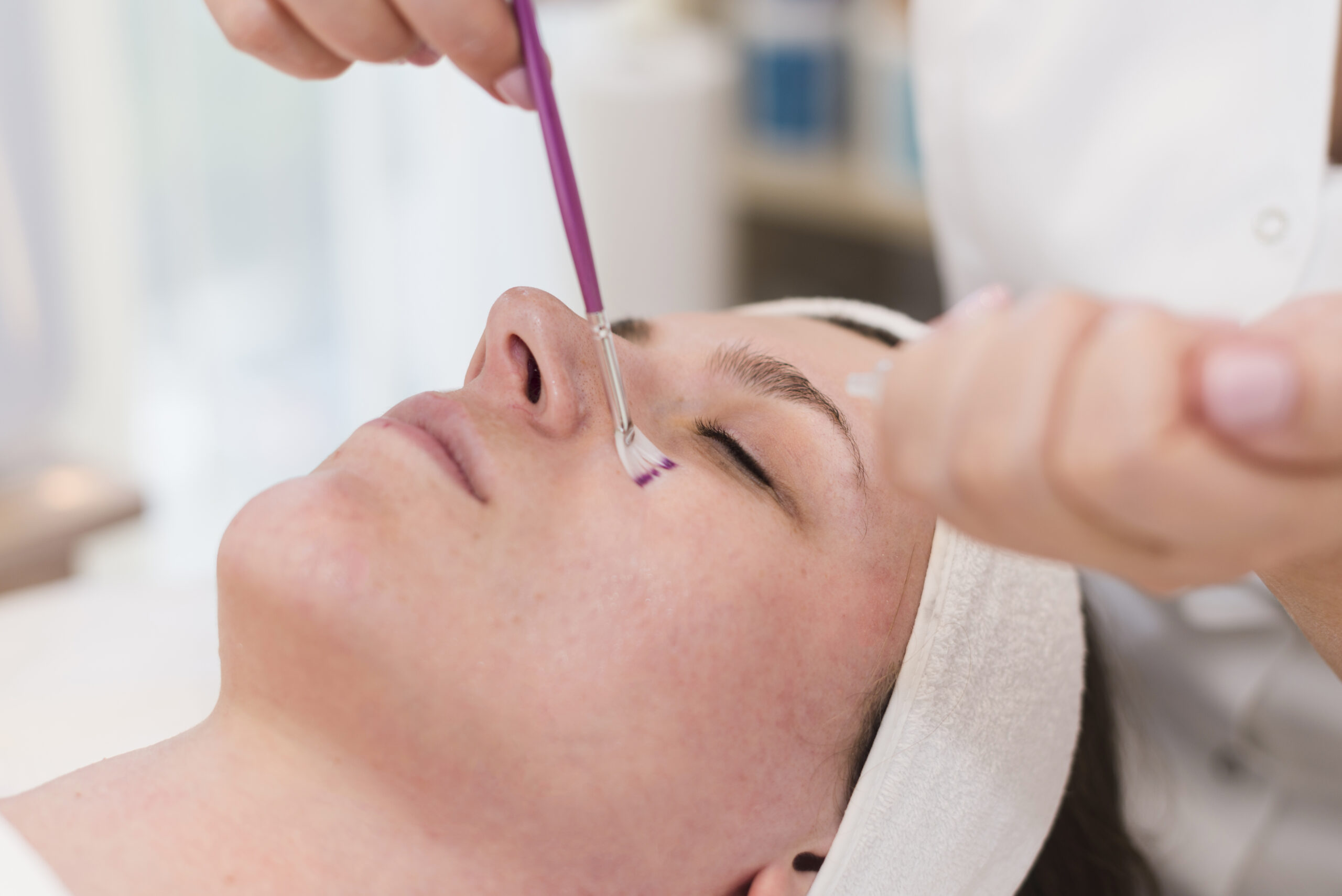
What Chemical Peels Do
Chemical peels work by applying a controlled solution to the skin that removes the outer layer of damaged skin cells.
As the skin heals, new and healthier skin cells replace the old ones.
Chemical peels are often recommended for concerns like:
- Pigmentation
- Acne scars
- Uneven skin tone
- Sun damage
Choosing Between the Two
If your goal is instant hydration and a refreshed appearance, Hydrafacial may be a good option.
If you’re looking to treat deeper concerns like pigmentation or acne scars, chemical peels may provide more noticeable improvements.
In many cases, dermatologists recommend a customized treatment plan that may include both treatments at different times.
Healthy Skin Is a Long-Term Commitment
Professional treatments can support healthy skin, but consistent skincare habits are equally important.
Combining expert treatments with a proper skincare routine can help maintain clearer, brighter skin over time.