

Is Laser Hair Reduction (LHR) permanent? The honest medical answer is that LHR provides permanent hair reduction, not 100% permanent hair removal.
- The Clinical Standard: You can expect a permanent 70% to 90% decrease in overall hair density and thickness. The few hairs that eventually regrow will be vastly finer, lighter, and barely noticeable.
- The Biological Reason: Lasers permanently destroy active hair follicles. However, the human body contains millions of dormant follicles. Major hormonal shifts (such as pregnancy, PCOS, or menopause) can “wake up” dormant follicles years later, leading to new hair growth.
- The Protocol: Achieving optimal, permanent reduction requires a complete cycle of 6 to 8 sessions to catch every follicle in its active growth phase, followed by a minor maintenance session once every 1 to 2 years.
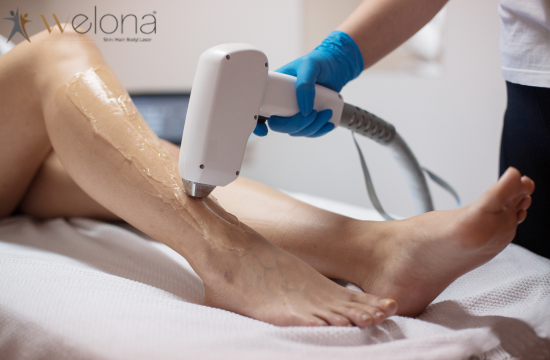
Laser Hair Reduction Permanent? Dermatologists Explain
Laser Hair Reduction has become one of the most popular treatments for managing unwanted hair. Many people turn to it as a long-term alternative to waxing, shaving, or threading. As awareness grows, one of the most common questions patients ask is whether the results are truly permanent.
The answer is not a simple yes or no. Laser hair reduction delivers long-lasting results, but understanding how it works helps set realistic expectations.
How Laser Hair Reduction Works
Laser Hair Reduction uses focused light energy that is absorbed by the hair pigment. This energy travels down to the hair follicle and generates heat, which damages the follicle’s ability to grow hair.
However, hair grows in cycles. At any given time, only a portion of hair is in the active growth phase, which is when the laser is most effective. This is why multiple sessions are required to target different hair cycles over time.
The goal is to progressively weaken and reduce the number of active hair follicles.
What “Permanent Reduction” Actually Means
Laser hair treatment is medically classified as permanent hair reduction, not permanent hair removal.
This means:
- The number of hair follicles decreases significantly
- Hair regrowth becomes slower
- New hair appears finer and lighter
- Overall density is visibly reduced
Once a follicle is effectively damaged, it may stop producing hair. However, some follicles may recover partially over time, and new hair growth can occur due to hormonal changes.
Why Hair Can Regrow After Treatment
Even after completing a full course of sessions, some degree of regrowth is possible. This does not mean the treatment has failed.
Hair regrowth may occur due to:
- Hormonal fluctuations (such as PCOS or thyroid imbalance)
- Genetic factors
- Activation of previously dormant follicles
- Irregular or incomplete treatment sessions
Research indicates that laser hair reduction significantly reduces hair growth, but maintenance sessions are often required for sustained results. Laser hair removal clinical outcomes study.
What Results You Can Expect
Most patients notice a gradual reduction in hair growth after a few sessions. Hair becomes softer, lighter, and less dense. The need for frequent hair removal methods reduces significantly.
Areas such as the underarms, legs, and bikini line often respond well, while facial hair may require more maintenance due to hormonal sensitivity. Results improve progressively with each session and stabilize after completing the recommended treatment plan.
Importance of Maintenance Sessions
Maintenance is an important part of laser hair reduction. After completing initial sessions, occasional follow-up treatments help maintain results.
These sessions:
- Target any new or regrowing follicles
- Maintain smooth skin over time
- Prevent the return of dense hair growth
The frequency of maintenance varies from person to person based on hair type and hormonal factors.
Is It Safe for Indian Skin?
Yes, laser hair reduction is considered safe for Indian skin when performed by experienced professionals using appropriate settings.
Indian skin has a higher melanin content, so laser energy must be carefully calibrated to avoid pigmentation changes. Modern laser technologies allow dermatologists to customize treatment safely.
Clinical studies support the safety and effectiveness of laser hair removal when performed under proper supervision.
Why Dermatologist Supervision Matters
Laser treatment involves delivering energy into the skin, which requires precise control. Dermatologists assess skin type, hair characteristics, and medical history before planning treatment.
Proper supervision ensures:
- Safe energy levels
- Reduced risk of burns or pigmentation
- Consistent and effective results
- Management of any side effects
This medical approach improves both safety and long-term outcomes.
Laser Hair Reduction at Welona Skin, Hair and Laser Clinic
At Welona, laser hair reduction begins with a detailed consultation to understand skin type, hair growth pattern, and treatment goals.
The treatment plan is customized to ensure a gradual, safe reduction in hair growth. Advanced laser systems are used with carefully controlled settings to suit Indian skin.
Patients are also guided on pre- and post-treatment care to maximize results and minimize risks.
To Wrap It Up
Laser hair reduction offers a long-term solution for managing unwanted hair, but it is important to approach it with realistic expectations. While it may not permanently eliminate hair, it significantly reduces growth and improves convenience.
With proper treatment planning, consistent sessions, and expert supervision, it can provide smooth, low-maintenance skin over time. Experience the freedom of smooth skin, backed by science.
[Book Your Safe, Dermatologist-Led Laser Consultation at Welona Today] Visit our experts in Anna Nagar, T-Nagar, or Adyar to begin your customized hair reduction journey.
FAQ: Laser Hair Reduction
Does Laser Hair Reduction hurt?
Modern medical-grade lasers are highly tolerable. Our machines at Welona feature advanced Sapphire contact cooling, which instantly chills the skin to sub-zero temperatures the millisecond before the laser fires. Patients describe the sensation as a light, warm rubber-band snap. It is drastically less painful than a bikini wax.
What happens if I get pregnant after finishing my laser sessions?
Pregnancy causes a massive surge in hormones, which may wake up some dormant follicles. You might see a mild return of some hair. After you have delivered and finished nursing, you can simply return to the clinic for 1 or 2 quick “touch-up” sessions to clear the new growth.
Can I stop halfway through my 8 sessions if my hair is already gone?
We strongly advise against this. You might look hair-free after 3 sessions, but that is only because you haven’t seen the hairs currently hiding in the Telogen (resting) phase. If you stop early, those resting hairs will eventually cycle into the growth phase, and you will think the treatment “wore off.” Finish the cycle to catch every follicle.