

Chemical peels are dermatological treatments that improve skin tone, texture, acne scars, and pigmentation by exfoliating damaged skin layers. They are classified into three main types: superficial, medium, and deep peels.
- Superficial (Light) Peels: Penetrate only the outermost layer (epidermis). Uses mild acids like AHAs (Glycolic, Lactic) or BHAs (Salicylic). Best for instant glow, mild acne, and superficial tan. Zero downtime.
- Medium Peels: Penetrate the entire epidermis and the upper layer of the dermis. Uses Trichloroacetic Acid (TCA) solution. Best for melasma, acne scars, and deep pigmentation. 7 days of visible peeling downtime.
- Deep Peels: Penetrate the mid-to-lower dermis using Phenol. Used for severe wrinkles and deep scars, and highly cautioned/rarely performed on Indian Skin (Fitzpatrick IV-V) due to severe risks of permanent pigment loss and scarring.
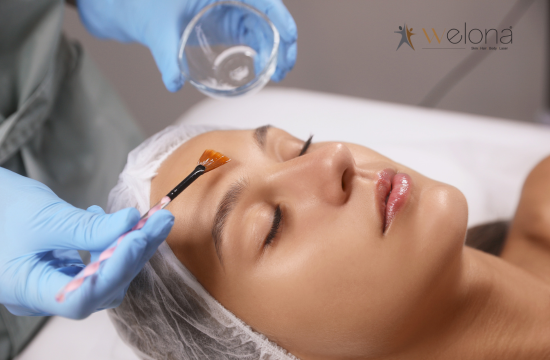
Chennai’s humidity, pollution, and intense UV exposure often lead to a buildup of dead skin cells, excess oil, and worsening pigmentation. Over time, this can leave the skin looking dull, uneven, and fatigued. When over-the-counter exfoliants and home remedies stop delivering results, dermatologists often recommend one of the most time-tested and scientifically validated treatments in aesthetic medicine: the chemical peel.
Chemical peels are highly versatile dermatology treatments used to improve pigmentation, acne, uneven skin tone, texture, and early signs of aging. However, not all peels are the same. The depth of a peel—superficial, medium, or deep- determines how deeply it works, the type of concerns it addresses, and the level of downtime involved.
In this guide, our dermatologists explain the main differences between superficial, medium, and deep chemical peels, how each works, and how to use them safely on Indian skin.
What is a Chemical Peel?
A chemical peel uses carefully applied acids to remove damaged layers of skin. This helps new skin cells grow and makes your skin look clearer. Numerous indications support the use of chemical peeling as a skin resurfacing technique, which include acne vulgaris, melasma, postinflammatory pigmentation, lentigines, ephelides, enlarged pores, rhytides, rosacea, pseudofolliculitis barbae, acne scars, sebaceous keratosis, actinic keratosis, striae distensae, and deep wrinkles.
Chemical Peels can:
- Reduce pigmentation
- Improve acne and acne marks.
- Smooth rough texture
- Stimulate collagen production
- Enhance overall brightness
The intensity of these effects depends on the type of peel used.
Superficial Chemical Peels
Superficial peels, also known as light peels, act on the outermost layer of the skin (epidermis). They are the mildest category of chemical peels and are often used as a starting treatment.
Common ingredients:
- Glycolic acid
- Salicylic acid
- Lactic acid
- Mandelic acid
Best for:
- Mild pigmentation
- Dull skin
- Acne and oily skin
- Early tanning
- Maintenance therapy
Superficial peels may cause mild redness and a little flaking. There is almost no downtime, so you can get back to your routine quickly. Since they are gentle, you may need several sessions to see clear results.
Medium Chemical Peels
Medium peels penetrate deeper than the outer skin layer, reaching the upper dermis. This helps them treat deeper pigmentation and more obvious skin issues.
Common ingredients:
- Trichloroacetic acid (TCA)
- Combination peels
Best for:
- Moderate pigmentation
- Post-acne marks
- Uneven skin tone
- Fine lines
- Textural irregularities
Medium peels cause visible peeling and redness that can last several days. Recovery usually takes about a week. The results are stronger than with superficial peels because they reach deeper layers of skin. Dermatologists often suggest medium peels if lighter peels have not given enough improvement.
Deep Chemical Peels
Deep peels penetrate the deeper dermis and are the most intensive form of chemical peeling.
Common ingredients:
- High-strength TCA
- Phenol-based solutions
Best for:
- Severe sun damage
- Deep wrinkles
- Advanced scarring
- Significant textural irregularities
Deep peels involve longer downtime and require careful medical supervision. Because they create substantial resurfacing, they are used selectively and are not suitable for all skin types. In Indian skin, deep peels are approached cautiously due to an increased risk of pigmentation.
Superficial, Medium, and Deep Peel – A Comparison Table
| Feature | Superficial Peel | Medium Peel | Deep Peel |
| Skin Depth | Epidermis | Upper Dermis | Deeper Dermis |
| Downtime | Minimal | 5-7 Days | Extended |
| Results | Gradual | Moderate Improvement | Dramatic Improvement |
| Sessions Needed | Multiple | Fewer | Usually One |
| Risk Level | Low | Moderate | Higher |
| Ideal For | Mild Concerns | Moderate Concerns | Severe Concerns |
Are Chemical Peels Safe for Indian Skin?
Yes, when selected carefully. Indian skin is more prone to post-inflammatory pigmentation, which makes professional evaluation essential. Dermatologists adjust peel type, concentration, and frequency to minimise risks while achieving results.
Incorrect peel strength or unsupervised application can lead to darkening or irritation, which is why peels should not be treated as cosmetic spa treatments.
Why Welona is the Best Clinic in Chennai for Chemical Peels
Chemical peels are strictly medical procedures. Applying an acid to your face requires an in-depth understanding of biochemistry and skin anatomy. Here is why Welona is the most trusted clinic for peels:
- MD Dermatologist Exclusivity: Unlike salons that use unregulated aesthetician kits, every peel at Welona is selected, formulated, and applied by a qualified MD Dermatologist or under their supervision. We calculate the exact pH and percentage necessary for your specific skin concern.
- Meticulous Skin Priming: We never rush a medium-depth peel. For patients with hyperpigmentation, we mandate a 2-to-4-week “priming” protocol using medical-grade tyrosinase inhibitors. This puts your pigment cells to sleep before the peel, practically eliminating the risk of post-peel darkening.
- Custom Blending: We don’t believe in “one size fits all.” Our doctors often create bespoke blended peels—for example, combining Salicylic acid to clear pores, followed by Mandelic acid to brighten the surface —to target multiple problems simultaneously.
- Detail-Oriented Aftercare: Recovering in Chennai’s humid, sunny climate requires precision. We provide detailed, day-by-day recovery regimens and emergency clinical support to ensure your skin heals flawlessly.
To Wrap It Up
Beautiful skin is not a mystery; it is a science. Whether you need a quick reset before a major event with a superficial peel, or you are ready to commit to the corrective power of a medium-depth peel to banish melasma, the right chemical formulation can completely transform your complexion.
However, precision and expertise are non-negotiable. With proper evaluation and expert supervision, chemical peels can be a powerful tool for improving skin clarity, texture, and overall skin health. Don’t risk your face with unverified products or unqualified practitioners.
Ready to uncover your healthiest skin? Trust the medical experts who understand the deep science of dermatology.
[Book Your In-Depth Skin Analysis at Welona Today]
Visit our centers in Anna Nagar, T-Nagar, or Adyar for an expert skin assessment.
Call Us: 044 4011 4444
FAQs
Do chemical peels thin the skin over time?
This is a common myth. While a peel removes the dead surface layer, the acid actually stimulates the fibroblasts in the dermis to produce more collagen. Over time, regular, properly spaced medical peels actually make the living layers of your skin thicker and more resilient.
Can I do a chemical peel at home?
We strongly advise against DIY chemical peels. Over-the-counter acids are often unstable, and consumers cannot control the depth of penetration. Leaving an acid on for even one minute too long can result in severe chemical burns and permanent scarring.
Which peel is best for active acne?
A superficial Salicylic Acid (BHA) peel is the gold standard for active acne. Because it is lipophilic (oil-loving), it cuts through the sebum in your pores to neutralize the acne-causing bacteria and reduce inflammation immediately.
How do I choose the right depth for my skin?
You shouldn’t have to guess. During your consultation at Welona, our dermatologists use advanced skin diagnostic tools to analyze your dermal thickness and pigmentation depth, and to prescribe the exact chemical formulation your skin requires safely.