

Warts are common, non-cancerous skin growths caused by certain strains of the Human Papillomavirus (HPV). They can develop on the hands, feet, face, fingers, or other parts of the body and may spread through direct skin contact or contaminated surfaces. Although some warts disappear naturally over time, many persist for months or even years. The best treatment depends on the type, size, and location of the wart. Dermatologists may recommend options such as cryotherapy, electrocautery, radiofrequency removal, chemical treatments, or laser therapy to safely remove warts while reducing the risk of recurrence.
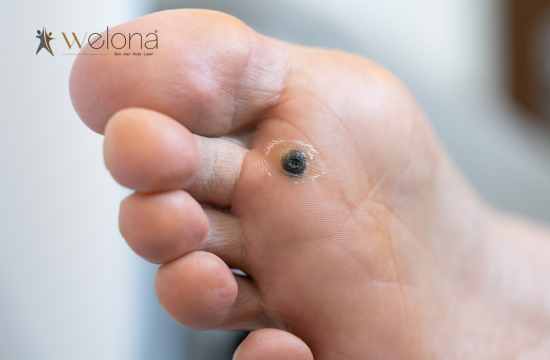
Most people don’t pay much attention to a small bump on their skin. It may appear on a finger, the sole of the foot, or near the face. At first, it seems harmless. Weeks pass, and it. doesn’t disappear. Instead, it slowly grows larger, or new bumps begin appearing nearby.
This is how many warts begin.
Warts are one of the most common reasons people visit a dermatologist. While they are usually harmless, they can become painful, spread to other areas of the body, or affect confidence when they appear on visible areas such as the face or hands. The good news is they are treatable. However, the right treatment depends on identifying the type of wart and choosing a method that removes it safely without damaging the surrounding skin.
What Are Warts?
Warts are small skin growths caused by infection with certain types of the Human Papillomavirus (HPV).
The virus enters the skin through tiny cuts or breaks that are often too small to notice. Once inside, it stimulates the outer layer of the skin to grow more rapidly, resulting in a wart.
Although HPV is responsible for all common warts, not every strain causes the same type of wart. Different strains tend to affect different parts of the body. Most warts grow slowly and remain harmless, but they can spread if left untreated.
Are Warts Contagious?
Yes.
Warts can spread through direct skin-to-skin contact or by touching objects that have come into contact with the virus, such as towels, razors, nail clippers, gym equipment, or wet floors around swimming pools and changing rooms. However, exposure to HPV doesn’t automatically mean you’ll develop a wart.
Whether a wart forms depends on factors such as:
- Your immune system
- The condition of your skin
- Whether the virus enters through small cuts or cracks
People with weakened immunity may develop warts more easily and often have multiple lesions.
Different Types of Warts
Not all warts look the same. Recognizing the different types helps determine the most appropriate treatment.
Common Warts
These are the classic rough, raised growths that often appear on the fingers, hands, knees, and elbows. They usually have a rough surface and may contain tiny black dots, which are small clotted blood vessels. According to the American Academy of Dermatology, common warts are caused by specific strains of the Human Papillomavirus (HPV). While some disappear naturally, many require treatment depending on their location, symptoms, and persistence.
Plantar Warts
Plantar warts develop on the soles of the feet. Because body weight pushes them inward, they often grow beneath the surface rather than protrude outward.
Many people mistake them for corns. Unlike corns, plantar warts may cause pain when walking and often show tiny black dots within the lesion.
Flat Warts
Flat warts are much smaller and smoother than common warts. They often appear in groups on the face, neck, arms, or legs. Children, teenagers, and young adults develop flat warts more frequently than older adults.
Filiform Warts
These warts have long, finger-like projections. They commonly develop around the mouth, nose, eyelids, or beard area and can grow quickly. Although they are usually painless, they can become a cosmetic concern due to their location.
How Can You Tell If It’s a Wart?
Many skin conditions resemble warts. Skin tags, corns, moles, seborrhoeic keratoses, and certain benign skin growths can appear similar at first glance.
A wart often has one or more of these features:
- A rough or uneven surface
- Tiny black dots
- Interrupted skin lines
- Slow growth over time
However, appearance alone isn’t always enough to make an accurate diagnosis. If you’re unsure whether a growth is a wart, it’s best to have it examined by a dermatologist before trying over-the-counter treatments.
Can Warts Go Away on Their Own?
Sometimes they do. The immune system can gradually recognize the virus and eliminate it naturally. However, this process may take months or even several years.
During that time, the wart may become larger, spread to nearby skin, or pass to other people. For painful, rapidly growing, or cosmetically concerning warts, treatment is usually the better option.
Why Home Remedies Often Fail
A quick online search reveals dozens of DIY wart treatments.
People commonly try:
- Garlic
- Apple cider vinegar
- Banana peel
- Toothpaste
- Nail clippers
- Home freezing kits
Some remedies may irritate the wart, making it appear smaller temporarily. Unfortunately, they rarely eliminate the virus completely.
Attempting to cut or pick at a wart can also increase the risk of:
- Infection
- Bleeding
- Scarring
- Spreading the virus to nearby skin
Treating the wrong skin growth at home may delay the diagnosis of another condition that needs medical attention.
The Best Treatment Depends on the Wart
There isn’t a single treatment that works for every wart. Dermatologists choose treatment based on the type, size, location, and number of warts, as well as your age and medical history.
Cryotherapy
Cryotherapy removes the wart by freezing the infected tissue with liquid nitrogen. Over the following days, the treated wart gradually shrinks and falls away. This method works well for many common and plantar warts.
Electrocautery or Radiofrequency Removal
For certain warts, especially those on exposed areas, dermatologists may recommend radiofrequency or electrocautery. These techniques remove the wart with precision while controlling bleeding and preserving as much healthy skin as possible.
Chemical Treatments
Prescription-strength solutions containing ingredients such as salicylic acid gradually break down the thickened skin. These treatments, which are great for acne, also work for warts and often require patience and consistent application over several weeks.
Laser Treatment
Laser therapy may be recommended for stubborn or recurrent warts that haven’t responded to other treatment options. The laser targets the wart tissue while minimizing damage to the surrounding skin.
Can Warts Come Back After Treatment?
They can. Removing the visible wart doesn’t always eliminate every virus-infected cell.
Some patients develop new warts weeks or months later, particularly if their immune system doesn’t fully clear the infection. This doesn’t necessarily mean the treatment failed. It reflects the virus’s nature. Early treatment and avoiding picking or scratching warts can reduce the likelihood of spreading them further.
When Should You See a Dermatologist?
You should seek medical advice if a wart:
- Becomes painful
- Bleeds repeatedly
- Grows rapidly
- Changes in appearance
- Appears on the face or genital area
- Keeps returning after treatment
- Makes walking difficult
- Causes uncertainty about the diagnosis
Early assessment often makes treatment simpler and reduces the risk of spreading the virus.
Wart Removal at Welona Chennai
At Welona Skin, Hair, Laser, and Body Clinic, every skin growth is carefully assessed before treatment begins. Not every raised bump is a wart, so confirming the diagnosis is an important first step. After evaluation, dermatologists recommend the most suitable treatment based on the type, size, and location of the wart.
Depending on your condition, treatment may include cryotherapy, radiofrequency removal, electrocautery, chemical treatment, or laser therapy. The focus is on complete removal while minimizing discomfort, reducing the risk of recurrence, and protecting the surrounding skin.
To Wrap It Up
Warts are common, but they shouldn’t be ignored if they become painful, spread, or interfere with your daily life. Instead of relying on home remedies that may damage your skin or delay effective treatment, seek a proper diagnosis. A dermatologist can confirm whether the growth is actually a wart and recommend the safest treatment based on its type and location.
With early treatment and the right approach, most warts can be removed successfully while minimizing discomfort and reducing the risk of recurrence. Book your consultation today!
FAQs
Are warts contagious?
Yes. Warts can spread through direct contact with infected skin or contaminated surfaces, although not everyone exposed to the virus develops them.
Can I remove a wart at home?
Small warts sometimes respond to over-the-counter treatments, but self-treatment isn’t always appropriate. It’s best to consult a dermatologist if the diagnosis is uncertain or the wart is painful, large, or located on the face or genital area.
Why do warts keep coming back?
The HPV virus may persist in the surrounding skin even after a wart is removed. This can lead to new warts developing later.
Does wart removal leave a scar?
When an experienced dermatologist performs the procedure using the appropriate technique, the risk of noticeable scarring is usually low.
How long does wart treatment take?
The duration depends on the type of wart and the treatment chosen. Some warts require only one session, while others may need multiple treatments for complete clearance