How does Q-Switched Laser Toning improve skin clarity? Laser Toning is a non-ablative (non-wounding) dermatological procedure that specifically targets hyperpigmentation without damaging the skin’s surface.
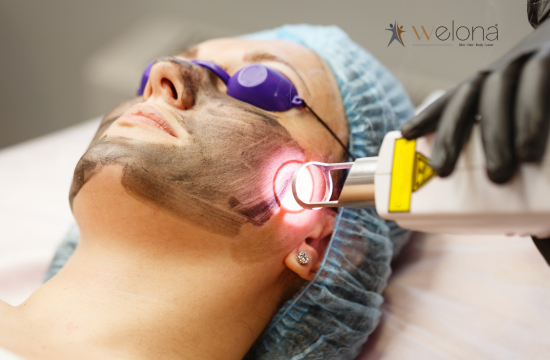
- The Technology: It utilizes a Q-Switched Nd:YAG laser firing ultra-fast, nanosecond pulses of light energy.
- The Mechanism: Instead of burning pigment with heat, it creates a photoacoustic shockwave. This shockwave physically shatters deep melanin clusters into microscopic dust, which your immune system naturally flushes out.
- The Benefit: Because it uses acoustic energy rather than thermal (heat) energy, it is the safest, most effective way to clear melasma, sun damage, and post-acne marks on darker Indian skin tones without the risk of rebound hyperpigmentation.
The Flawed Approach to Pigmentation
Achieving clear, luminous skin in Chennai is a biological challenge. Between the relentless coastal sun, high humidity, and urban pollution, your skin’s melanocytes (pigment-producing cells) are in a constant state of hyper-arousal.
When dark patches, uneven skin tone, or post-acne marks appear, the immediate consumer instinct is to buy expensive, heavily marketed “brightening” serums or scrub the skin with harsh exfoliants. We must be honest: rubbing topical creams onto the epidermis will not cure deep dermal pigmentation. It is biologically impossible. To achieve true skin clarity, you must bypass the surface and dismantle the pigment at its root.
At Welona Clinic in Chennai, we do not rely on cosmetic illusions; we rely on clinical biophysics. Our absolute gold standard for restoring an even complexion is Q-Switched Laser Toning. In this deeply researched, detail-oriented guide, our MD Dermatologists break down exactly how this technology outsmarts your melanin, why it is the safest choice for Indian skin, and the realistic results you can expect.
The Science: What Does “Q-Switched” Actually Mean?
To understand why this treatment is so effective, you must understand the engineering behind the laser. In standard cosmetic lasers, the machine fires a continuous beam of light. This generates a massive amount of heat (photothermal energy). If you apply high heat to Indian skin (Fitzpatrick Types IV and V), the skin panics and produces more pigment to defend itself—a disastrous side effect known as Post-Inflammatory Hyperpigmentation (PIH).
Q-Switched (Quality-Switched) technology solves this heat problem entirely.
- Nanosecond Speed: The laser stores up massive amounts of energy and releases it in ultra-short bursts measured in nanoseconds (billionths of a second).
- The Photoacoustic Effect: Because the pulse is so unimaginably fast, the energy does not have time to convert into heat. Instead, it converts into a mechanical shockwave (sound).
- Shattering the Melanin: When this shockwave hits the dense cluster of melanin causing your dark spot, it shatters the pigment into ultra-fine, microscopic dust without raising the temperature of the surrounding skin.
Once the melanin is pulverized, your body’s scavenger cells (macrophages) slowly digest the dust and flush it out through your lymphatic system. Week by week, the dark patch simply fades away from the inside out.
What Conditions Does Laser Toning Treat?
Because it is so precise and gentle on the surface tissue, Q-Switched Laser Toning is our primary medical tool for a wide variety of complexion issues:
- Melasma: The most stubborn, hormonally driven pigmentation. Laser toning is the only FDA-approved laser modality considered safe for managing melasma without triggering a severe heat rebound.
- Post-Inflammatory Hyperpigmentation (PIH): The dark brown or black marks left behind after a severe acne breakout, an insect bite, or a burn.
- Freckles and Sunspots (Lentigines): Flat, distinct spots caused by years of accumulated UV damage from the Chennai sun.
- Overall Skin Dullness: Even if you do not have distinct spots, microscopic pigment accumulation makes the skin look gray, tired, and dull. Toning sweeps away this underlying pigment, restoring a translucent “glass skin” clarity.
How Q-Switched Laser Targets Pigmentation
The Q-switched laser emits high-intensity light in very short bursts. When this energy reaches the skin, it is absorbed by melanin, the pigment responsible for dark spots and uneven tone. This process breaks down pigment particles into smaller fragments. The body then naturally clears these particles through its lymphatic system over time.
Because the laser targets pigment specifically, it helps improve skin tone without significantly affecting surrounding tissues. This precision makes it suitable for treating pigmentation safely in Indian skin types.
Benefits of Laser Toning for Skin Clarity
Laser toning is not just about reducing dark spots. It improves overall skin quality in multiple ways.
Patients often notice:
- Brighter and more even skin tone
- Reduction in pigmentation and tanning
- Improved skin texture
- Subtle pore refinement
- Healthier-looking skin
The gradual nature of the treatment helps achieve natural-looking results rather than sudden or artificial changes.
Why Multiple Sessions Are Required
Skin renewal and pigment clearance take time. Since laser toning works gently, multiple sessions are needed to achieve visible improvement.
Each session targets a portion of the pigment, and the body gradually clears it. Over time, this leads to more uniform skin tone and improved clarity. Dermatologists usually recommend a series of sessions spaced a few weeks apart, followed by maintenance if needed.
Safety for Indian Skin
Indian skin is more prone to pigmentation changes if treated aggressively. This is why controlled, low-intensity laser treatments are preferred.
Q-switched laser toning is considered safe when performed under expert supervision. The energy levels are carefully adjusted to suit the individual’s skin type and concern. Clinical studies support the use of Q-switched lasers for pigmentation with a favourable safety profile when used appropriately.
Why Laser Toning Works When Creams Don’t
Topical products primarily act on the surface of the skin. While they can help regulate melanin production, they may not effectively address deeper pigment deposits.
Laser toning works at a deeper level by breaking down existing pigment. This makes it particularly useful for stubborn pigmentation that does not respond to skincare alone. Dermatologists often combine laser toning with medical-grade skincare to enhance and maintain results.
Laser Toning at Welona Skin, Hair Laser & Body Clinic
At Welona, laser toning is performed using advanced Q-switched laser technology tailored for Indian skin. Each session begins with a skin assessment to determine the appropriate settings and treatment plan.
The focus is on gradual improvement in skin clarity, tone, and texture. Treatments are customised to ensure safety while delivering consistent results.
Patients are also guided on post-treatment care and sun protection to maintain long-term benefits.
To Wrap It Up
Laser toning offers a balanced approach to improving skin clarity and even tone. By targeting pigment gently and progressively, it allows for visible improvement without aggressive treatment.
With proper planning, consistent sessions, and expert supervision, it can help achieve clearer, brighter, and more even-toned skin over time.
[Book Your Advanced Pigmentation Laser Assessment at Welona] Visit our clinical experts in Anna Nagar, T-Nagar, or Thiruvanmiyur to design your customized skin clarity protocol.
FAQ: Q-Switched Laser Toning
Does Laser Toning thin the skin over time?
No. This is a pervasive myth. Laser Toning actually does the exact opposite. The gentle acoustic energy stimulates your fibroblasts (the cells that build your skin matrix), causing a mild increase in new collagen and elastin production. Over time, your skin becomes thicker, firmer, and more resilient.
Is the procedure painful?
Not at all. Because it does not rely on heat, there is no burning sensation. Patients typically describe the feeling as a very light, rapid tingling or a mild “prickling” sensation, similar to tiny drops of rain hitting the face. No numbing cream is required.
How many sessions will I need to see clear skin?
Pigment clearance is a biological process that relies on your lymphatic system to flush the debris. You will notice a brighter overall complexion after 1 or 2 sessions, but for specific dark spots or melasma, a standard protocol requires 6 to 8 sessions, spaced 2 to 3 weeks apart.
Can I go out in the sun after a Laser Toning session?
You must wear a broad-spectrum SPF 50. While the laser does not make your skin raw or physically sensitive to the touch, UV exposure will immediately trigger your melanocytes to produce new pigment, completely undoing the laser’s hard work.