
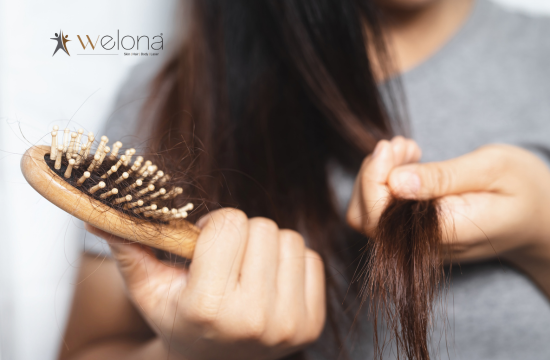
Myths about hair fall treatments often create confusion and delay proper care. From believing that oils alone can regrow hair to assuming treatments offer instant results, misinformation can prevent people from seeking effective solutions. Dermatologist-led treatments focus on scientifically proven methods such as growth factor therapy, medical management, and lifestyle correction. Understanding the facts helps patients make informed decisions and start treatment at the right time.
Debunking Common Myths About Hair Fall Treatments – Explained by Welona Experts
Hair fall is one of the most common concerns today, affecting both men and women across age groups. Despite the growing availability of advanced treatments, many people continue to rely on outdated beliefs or misinformation. These myths often delay proper treatment and allow hair thinning to progress further.
At Welona Clinic in Chennai, dermatology experts frequently see patients who have spent months or even years trying ineffective remedies based on common misconceptions. Debunking common myths about hair fall treatments can help you take the right steps toward healthier, stronger hair.
1. Hair Oil Can Reverse Hair Loss
Hair oiling can reverse hair loss, which is one of the most common myths about hair fall treatments. Hair oiling improves scalp hydration and can make hair appear smoother, but it does not reverse hair loss. Hair fall often originates from factors such as genetics, hormonal imbalance, or follicle miniaturization.
While oil can support scalp health, it cannot stimulate inactive follicles or regrow hair in cases of pattern hair loss.
2. Hair Fall Treatments Show Instant Results
Hair growth follows a biological cycle, and no treatment can bypass this process. Whether it is GFC, PRP, or medical therapy, results develop gradually over time.
Most patients notice reduced hair fall first, followed by improvement in thickness and density over a few months. Expecting instant results often leads to premature discontinuation of effective treatments.
Evidence: The scientific community is aggressively trying to combat cosmetic misinformation. According to comprehensive clinical guidelines for treating Androgenetic Alopecia in the NIH database, the only highly validated, evidence-based methods for significantly reversing genetic hair loss are FDA-approved topicals, oral DHT blockers, and clinical cellular therapies like PRP/GFC. Shampoos and herbal supplements lack substantial clinical efficacy.
3. Hair Loss Happens Only Due to Stress
Stress can contribute to hair fall, but it is rarely the only cause. Genetic predisposition, hormonal changes, nutritional deficiencies, and scalp conditions all play a role.
Treating hair loss effectively requires identifying the underlying cause rather than assuming a single trigger.
4. If Hair Is Falling, Cutting It Short Will Stop Hair Loss
Hair fall occurs at the follicle level, not at the length of the hair shaft. Cutting hair does not influence the root or reduce hair loss.
While shorter hair may appear fuller or more manageable, it does not address the actual cause of thinning.
5. Hair Transplant Is the Only Permanent Solution
Hair transplant is an effective option for advanced hair loss, but it is not the only solution. In the early stages, treatments such as GFC and medical therapy can stabilize hair loss and improve density.
Starting treatment early can delay or even reduce the need for surgical intervention.
6. Natural Remedies Are Always Safer and Better
There are many myths about hair fall treatments when it comes to natural remedies. Natural remedies are often perceived as safer, but they are not always effective for treating medical conditions like hair loss. Many home remedies lack scientific evidence and may only provide temporary cosmetic improvement.
Dermatologist-recommended treatments are designed to target the root cause while maintaining safety.
7. Hair Fall Treatments Are Not Suitable for Women
Hair thinning is common in women, especially due to hormonal changes, PCOS, or post-pregnancy hair fall. Modern treatments are tailored for both men and women.
In fact, early intervention in women often leads to very good outcomes when managed correctly.
8. Once You Start Treatment, You Cannot Stop
This is one of the most common fears. Hair treatments do not create dependency. However, since conditions like genetic hair loss are progressive, stopping treatment may allow the condition to continue.
Maintenance is often recommended to preserve results, not because the treatment creates reliance.
9. If You See Baby Hair, Treatment Has Worked Completely
The appearance of baby hair is a positive sign, but it is not the final result. Hair needs time to mature, thicken, and enter a stable growth phase.
Stopping treatment at this stage may reduce long-term benefits.
10. Expensive Treatments Always Work Better
Cost does not determine effectiveness. The success of a treatment depends on accurate diagnosis, proper technique, and consistency.
A personalized treatment plan designed by a dermatologist is far more important than choosing the most expensive option.
What Actually Works for Hair Fall
Effective hair fall treatment is based on a combination of:
- Accurate diagnosis of the cause
- Targeted treatments such as GFC or medical therapy
- Lifestyle and nutritional support
- Consistent follow-up and maintenance
Dermatologists focus on improving follicle health, slowing progression, and enhancing hair density over time.
Hair Regrowth Approach at Welona
At Welona, treatment begins with a detailed scalp and hair analysis. This helps identify whether the hair follicles are still active and which treatment approach is most suitable.
Growth Factor Concentrate (GFC) is commonly used to stimulate weakened follicles and improve hair thickness. The treatment plan is customized based on individual needs and monitored for progress.
This structured and medically guided approach ensures safe and effective outcomes.
To Wrap It Up
Believing myths about hair fall treatments can delay the right treatment and lead to frustration. Understanding the science behind hair loss helps set realistic expectations and encourages timely intervention.
With advancements in dermatology, effective solutions are available. The key is to rely on expert guidance rather than misinformation.
[Book Your Advanced Hair Assessment at Welona Today] Consult with our top dermatologists in Anna Nagar, T-Nagar, or Adyar to uncover the medical truth behind your hair loss and build a customized, science-backed recovery plan.