

Quick Answer
Noticing increased hair fall after losing weight can be alarming, especially when you’ve worked hard to improve your health. In many cases, this type of shedding is temporary and occurs because rapid weight loss, restrictive diets, nutritional deficiencies, or physical stress push more hair follicles into the shedding phase of the hair cycle. The good news is that with the right approach, hair growth often recovers. Early evaluation can also help identify whether an underlying issue requires treatment.
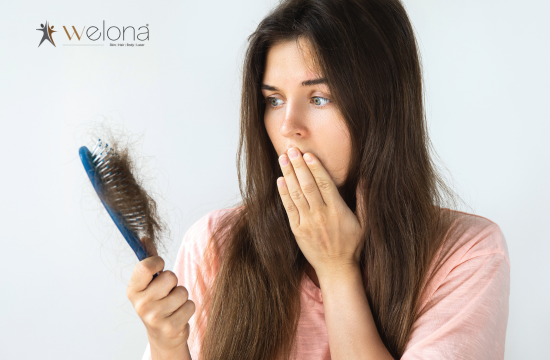
Hair Loss After Weight Loss: Why It Happens and What to Do
Losing weight is often celebrated as a positive step towards better health. So, it can be incredibly frustrating when, a few weeks or months later, you start noticing more hair in the shower drain, on your pillow, or tangled in your hairbrush.
The first thought for many people is panic.
“Did my weight loss cause permanent hair loss?”
Fortunately, in most cases, the answer is no.
Hair loss after weight loss is surprisingly common. It is usually temporary and often reflects the body’s response to rapid physical changes rather than irreversible damage to the hair follicles. Understanding why it happens can help you take the right steps instead of reaching for random oils, supplements, or miracle cures.
Why Does Hair Fall After Weight Loss?
To understand this, it helps to know that hair doesn’t grow continuously. Every strand goes through a natural cycle of growth, rest, and shedding. Sometimes, significant changes in the body can disrupt this cycle.
Rapid weight loss, major dietary changes, illness, surgery, and emotional stress can push a greater number of hair follicles into the resting phase simultaneously. A few months later, these hairs begin to shed.
This condition is called telogen effluvium and is one of the most common causes of sudden hair loss after weight loss. Research published in the Journal of Clinical and Aesthetic Dermatology found that telogen effluvium is commonly triggered by physiological stressors such as rapid weight loss, nutritional deficiencies, and major dietary changes. The important thing to remember is that the follicles themselves usually remain healthy.
Why Weight Loss Can Trigger Hair Shedding
Hair is not essential for survival. So when the body senses stress or limited nutritional resources, it prioritizes vital functions over hair growth. Several factors can contribute to this process.
Rapid Weight Loss
The faster the weight loss, the more likely the body is to interpret it as a form of stress. Very low-calorie diets, crash diets, and extreme exercise routines can shock the system and disrupt the normal hair cycle. People often notice increased shedding around two to three months after a period of rapid weight loss.
Nutritional Deficiencies
Hair follicles require a steady supply of nutrients to function properly.
Restrictive diets can sometimes lead to deficiencies in nutrients such as:
- Protein
- Iron
- Zinc
- Vitamin D
- Vitamin B12
Without adequate nutrition, follicles may shift into the shedding phase earlier than they should.
The Stress of Major Lifestyle Changes
Even positive changes can place stress on the body. Adapting to a new diet, changing exercise habits, sleeping differently, or managing expectations around weight loss can affect overall well-being. Physical and emotional stress can both influence the hair growth cycle.
Weight Loss Surgery
People who undergo bariatric surgery may be more prone to temporary hair shedding. This is partly due to rapid weight loss and partly because nutritional deficiencies are more common during the recovery period. Careful nutritional monitoring becomes especially important after surgery.
Is Hair Loss After Weight Loss Permanent?
In most cases, no. Telogen effluvium is usually temporary, and many people notice that the excessive shedding gradually settles once the body adjusts and nutritional balance improves. New hair often begins growing back naturally. However, weight loss can sometimes reveal an underlying tendency towards other forms of hair loss that were already developing.
These may include:
- Female pattern hair loss
- Male pattern baldness
- Thyroid-related hair loss
- PCOS-related hair thinning
- Iron deficiency-related shedding
If shedding persists for several months or you notice progressive thinning, it is worth seeking professional evaluation.
When Should You Be Concerned?
Some shedding after significant weight loss can be expected.
However, you should consult a dermatologist if:
- Hair fall continues beyond a few months
- Your parting is becoming noticeably wider
- Your ponytail feels significantly thinner
- The scalp is becoming more visible
- You have symptoms such as fatigue, irregular periods, or unexplained weight changes
Persistent hair loss deserves proper investigation rather than self-treatment.
What Can You Do to Support Hair Recovery?
The good news is that there are practical steps you can take.
Focus on Balanced Nutrition
Instead of restrictive eating patterns, aim for a sustainable and balanced approach.
Include adequate:
- Protein
- Iron-rich foods
- Healthy fats
- Fruits and vegetables
- Whole grains
If deficiencies are suspected, your doctor may recommend blood tests.
Avoid Crash Diets
Gradual, steady weight loss is generally easier on the body than extreme calorie restriction. Slow progress may feel frustrating, but it often supports healthier long-term outcomes, including healthier hair.
Be Patient With the Process
Hair recovery takes time. Even after the trigger has resolved, it can take several months for the hair growth cycle to normalise. Seeing tiny regrowth around the hairline is often an encouraging sign.
Manage Stress
Stress management may not stop hair fall overnight, but it supports overall recovery. Simple practices such as regular movement, adequate sleep, relaxation techniques, and realistic expectations can make a difference.
Can Treatments Help?
If the shedding is severe, prolonged, or affecting confidence, dermatologists may recommend additional support.
Depending on the underlying cause, treatment options may include:
- Nutritional correction
- Medical management
- Scalp therapies
- Growth Factor Concentrate (GFC) treatment
GFC uses growth factors derived from the patient’s own blood to stimulate weakened follicles and support healthier hair growth. It is particularly useful when the hair follicles remain active but need additional support during recovery.
Hair Loss Treatment at Welona Chennai
At Welona Skin, Hair, Body, and Laser Clinic, hair loss after weight loss is approached with one important question:
“Is this temporary shedding, or is something else contributing to it?”
A detailed consultation may include assessment of:
- Recent weight changes
- Dietary habits
- Medical history
- Hormonal factors
- Nutritional status
- Scalp and follicle health
Treatment plans are tailored to the individual and may combine nutritional guidance, medical treatment, and regenerative therapies such as GFC at Welona when appropriate. The goal is not simply to reduce shedding, but to restore confidence and support long-term hair health.
To Wrap it Up
Hair loss after weight loss can feel discouraging, especially when you’re trying to make positive changes for your health. But in many cases, it is your body’s way of adapting to a period of stress rather than a sign of permanent damage. The key is not to ignore it, but also not to panic.
With proper nutrition, patience, and the right guidance, most people see improvement over time. And if the shedding persists, seeking early dermatological advice can help identify whether additional treatment is needed.
Book Your Hair Loss Consultation at Welona. Visit our expert dermatologists in Anna Nagar, T. Nagar, or Adyar for a thorough scalp analysis and a personalized treatment plan for hair loss after weight loss.
FAQs: Hair Loss After Weight Loss
How soon after weight loss does hair fall begin?
Many people notice increased shedding two to three months after rapid weight loss.
Will my hair grow back?
In most cases, yes. Hair often recovers once the underlying trigger has been addressed.
Should I stop dieting if my hair is falling?
Rather than stopping completely, focus on a balanced and sustainable approach that provides adequate nutrition.
Do I need supplements?
Only if deficiencies are identified. Taking supplements unnecessarily is not always beneficial.
Can GFC help with post-weight-loss hair fall?
GFC may be recommended when follicles require additional stimulation or when shedding persists despite correcting the underlying cause.