Every smile, frown, and raised eyebrow makes your facial muscles move. Over time, repeated expressions can contribute to lines across the forehead, between the eyebrows, and around the eyes. These are known as dynamic wrinkles.
Botox helps soften these lines by temporarily reducing the activity of selected facial muscles. It does not fill wrinkles or resurface the skin. Instead, it works at the connection between nerves and muscles, reducing the signals that cause the targeted muscles to contract.Understanding how Botox works can help you decide whether it may be suitable for your facial ageing concerns.
Understanding Facial Expressions and Wrinkle Formation
Your facial muscles move throughout the day. You smile, squint, frown, and raise your eyebrows, often without noticing.
When skin is younger, it generally returns to its original position more easily after these movements. Over time, changes in collagen, elastin, hydration, and skin structure can make repeated folding more visible.
Dynamic wrinkles commonly develop in areas such as:
- Forehead lines: Horizontal lines that become more noticeable when you raise your eyebrows.
- Frown lines: Vertical lines between the eyebrows, sometimes called glabellar lines or “11 lines.”
- Crow’s feet: Fine lines around the outer corners of the eyes that become more visible when smiling or squinting.
Initially, these lines may appear only during facial movement. As skin ageing progresses, some may remain visible even when the face is at rest.
The Science Behind Botox
Botox is a brand of botulinum toxin type A, a purified neurotoxin used in carefully controlled doses for medical and aesthetic treatments.
Normally, nerves communicate with muscles by releasing a chemical messenger called acetylcholine. This messenger tells the muscle to contract.
Botulinum toxin type A temporarily blocks the release of acetylcholine at the neuromuscular junction. As a result, the targeted muscle contracts less strongly, repetitive movement decreases, and the overlying skin experiences less folding.
A Study conducted by ncbi that explains this mechanism and its role in temporarily reducing expression-related wrinkles.
In simple terms, the treatment works through the following process:
- Botox is injected into carefully selected facial muscles.
- It acts on the nerve endings supplying those muscles.
- Acetylcholine release is temporarily reduced.
- The targeted muscles contract less strongly.
- Repetitive folding of the overlying skin decreases.
- Dynamic wrinkles gradually appear softer.
The effect is temporary because nerve-muscle communication gradually recovers over time.
Dynamic and Static Wrinkles
Botox is particularly useful for dynamic wrinkles caused by repeated facial movement. However, not every wrinkle develops for the same reason.
Static wrinkles remain visible even when the facial muscles are relaxed. They may develop through a combination of repeated movement, collagen loss, sun exposure, reduced skin elasticity, and changes in facial volume.
Botox may soften some static wrinkles by reducing the movement that contributes to them, but deeper lines may require additional treatments.
Depending on the concern, a personalised rejuvenation plan may include procedures aimed at skin texture, collagen, pigmentation, or volume.
Natural-Looking Results and Facial Balance
Well-planned Botox treatment generally aims to reduce excessive movement in selected muscles, not eliminate every facial expression.
The face contains many interconnected muscles, and their balance influences eyebrow position, facial expression, and overall appearance. This is why injection location and dose matter.
Too much treatment or poorly placed injections can create an unnatural result or unwanted muscle weakness. Appropriately selected doses can soften wrinkles while preserving facial expression.
A personalised assessment helps determine which muscles are contributing to your lines and how much treatment may be appropriate.
Results, Recovery, and Longevity
Botox does not usually produce its full cosmetic effect immediately. Changes develop gradually as communication between the nerve and targeted muscle decreases.
You may begin noticing reduced muscle activity within several days, while the full effect can take longer to become visible. The exact timeline varies according to the treatment area, dose, muscle strength, product used, and individual response.
How Long Results May Last ?
Botox results are temporary. For cosmetic facial treatment, the effects commonly last for several months, although duration varies between individuals.
As nerve-muscle communication gradually recovers, normal muscle activity returns and wrinkles may become more noticeable again.
Factors that can influence longevity include:
- Strength of facial muscles
- Treatment area
- Dose used
- Individual response
- Previous treatments
- Frequency of facial movement
Treatment frequency should be determined individually rather than automatically repeating injections on a fixed schedule.
The Botox Treatment Process
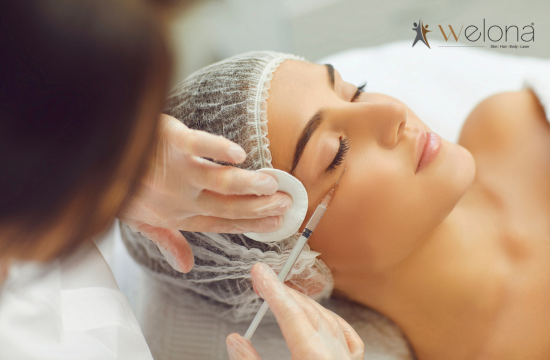
Botox treatment generally involves a series of small injections into carefully selected muscles.
Before treatment, your practitioner should assess your facial anatomy both at rest and during movement. You may be asked to raise your eyebrows, frown, smile, or squint to identify the muscles contributing to your wrinkles.
The injections themselves are usually brief. Some people experience mild discomfort, redness, swelling, or small bumps at the injection points, which commonly settle.
Your practitioner should explain the expected results, possible side effects, aftercare instructions, and appropriate timing for follow-up assessment.
Safety and Professional Assessment
Botulinum toxin type A has been extensively studied for both medical and aesthetic use. However, Botox remains a medical treatment, and appropriate assessment, dosing, and injection technique are important.
Possible temporary side effects include:
- Redness or swelling
- Bruising
- Tenderness
- Headache
- Temporary asymmetry
- Unwanted weakness of nearby muscles
Less common complications can occur if the toxin affects muscles outside the intended treatment area.
Personalised Botox Treatment at Welona Chennai
Botox treatment should begin by looking at how your face moves, not simply counting the number of wrinkles you have.
At Welona, treatment planning starts with an assessment of your facial anatomy, muscle movement, skin condition, and aesthetic goals.
The aim is to determine which muscles are contributing to your lines and whether Botox is the appropriate treatment for them.
Depending on your concerns, Botox may also form part of a broader skin rejuvenation plan involving treatments for texture, pigmentation, collagen loss, or other signs of ageing.
You can explore Welona’s skin treatments to learn more about the available options.
Final Thoughts
Botox reduces wrinkles by temporarily blocking the nerve signals that tell selected facial muscles to contract. As those muscles relax, repeated folding of the overlying skin decreases, helping dynamic wrinkles appear softer.
Successful treatment is not about making every muscle completely still. It is about choosing the right muscles, appropriate dose, and precise injection points based on your individual facial anatomy.
Wondering whether Botox is suitable for your wrinkles or facial ageing concerns? Book an appointment with Welona for a personalised skin and facial assessment.
Frequently Asked Questions
1. Does Botox remove wrinkles completely?
Botox can significantly soften dynamic wrinkles caused by repeated facial muscle movement, but it may not completely remove every wrinkle. Deep static lines can remain visible because they may also involve collagen loss, skin ageing, or changes in facial volume.
2. How long does Botox take to work?
Botox usually begins reducing muscle activity within several days, with results developing gradually afterwards. The exact timing can vary depending on the treatment area, muscle strength, dose, and individual response.
3. How long does Botox last for wrinkles?
Cosmetic Botox results generally last for several months. As nerve-muscle communication gradually recovers, facial movement returns and wrinkles may slowly become more noticeable again. Duration varies from person to person.
4. Which wrinkles are best treated with Botox?
Botox is particularly useful for dynamic wrinkles caused by repeated facial movements. Common treatment areas include forehead lines, frown lines between the eyebrows, and crow’s feet around the eyes. A professional assessment can determine whether Botox is suitable for your specific wrinkles.