

Applying sunscreen every day is one of the best ways to protect your skin from sun damage, pigmentation, premature aging, and skin cancer. However, the amount you apply is just as important as the SPF on the bottle. Most people use far less sunscreen than recommended, which significantly reduces the level of protection they receive. Dermatologists generally recommend applying about 2 mg of sunscreen per square centimeter of skin, which translates to roughly two finger lengths of sunscreen for the face and neck. Reapplying every two hours during prolonged sun exposure is equally important.
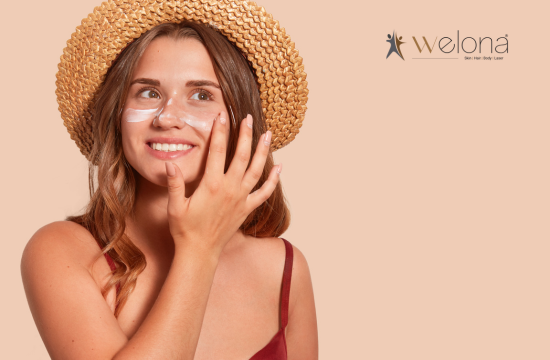
Imagine buying an umbrella during the monsoon but opening only half of it. That’s exactly what happens when you apply too little sunscreen. You may have invested in a premium SPF 50 sunscreen. You apply it every morning without fail. Yet, by the end of the day, your skin still tans, pigmentation continues to return, and those stubborn dark spots don’t seem to improve.
The problem may not be your sunscreen. It may be how much you’re using. Dermatologists often see patients who believe sunscreen “doesn’t work,” only to discover they’re applying less than half the amount needed to achieve the SPF printed on the label.
Let’s clear up one of the biggest misconceptions in skincare.
SPF 50 Doesn’t Always Mean SPF 50
Here’s something most sunscreen advertisements don’t mention.
The SPF number on the bottle is measured under laboratory conditions using a specific amount of sunscreen. If researchers apply SPF 50 correctly, participants receive the protection expected from SPF 50.
If you apply only half that amount, you receive significantly less protection. In other words, the sunscreen isn’t failing. It’s simply not being used the way it was designed to be.
So, How Much Sunscreen Do You Actually Need?
Dermatologists generally recommend applying approximately 2 finger widths of sunscreen to the face and neck. This means squeezing sunscreen along the length of your index finger and middle finger.
For most adults, this provides enough product to create an even protective layer. If you’re applying sunscreen to exposed areas such as the ears, arms, legs, and hands, you’ll naturally need much more.
Think of sunscreen as paint. A thin, patchy coat leaves parts of the wall exposed. The same principle applies to your skin.
The Areas Most People Forget
Even people who apply sunscreen every day often miss certain areas.
The most commonly forgotten spots include:
- Ears
- Eyelids
- Around the nose
- Hairline
- Neck
- Back of the neck
- Lips (use an SPF lip balm)
- Hands
These areas receive significant sun exposure and often show signs of premature aging first.
Does Higher SPF Mean You Can Apply Less?
No. This is another common misunderstanding. SPF 30 and SPF 50 differ in the percentage of UVB rays they filter, but both require the same amount of product.
Choosing SPF 50 doesn’t mean you can apply a thinner layer. Using too little sunscreen reduces protection regardless of the SPF.
Is One Morning Application Enough?
For most people, no. The American Academy of Dermatology recommends using a broad-spectrum sunscreen with SPF 30 or higher and applying enough to cover all exposed skin. It also advises reapplying every two hours during outdoor exposure to maintain effective protection.
Sunscreen gradually wears away throughout the day because of:
- Sweating
- Touching your face
- Natural oil production
- Rubbing from masks or clothing
- Outdoor activity
If you’re spending extended time outdoors, dermatologists recommend reapplying sunscreen approximately every two hours.
If you’re indoors all day with minimal sun exposure, a single morning application may be sufficient for some people, particularly if they stay away from windows. However, anyone who frequently drives, sits beside large windows, or spends time outdoors should reapply.
What Happens If You Don’t Apply Enough?
You probably won’t notice immediately. The effects build up slowly over months and years. Insufficient sunscreen allows ultraviolet radiation to continue damaging collagen and stimulating excess melanin production.
Over time, this contributes to:
- Pigmentation
- Melasma
- Uneven skin tone
- Fine lines
- Wrinkles
- Sunspots
- Loss of skin elasticity
If you’ve invested in treatments for pigmentation or anti-aging, skipping sunscreen or applying too little can reduce the benefits of those procedures.
Does Every Skin Type Need Sunscreen?
Yes. One of the biggest myths is that darker skin doesn’t need sun protection.
While Indian skin naturally contains more melanin, it can still develop:
- Pigmentation
- Tanning
- Melasma
- Premature ageing
- Sun-induced skin damage
Daily sunscreen remains one of the simplest and most effective ways to protect every skin tone.
Choosing the Right Sunscreen Matters Too
Applying enough sunscreen is important, but choosing a product you’ll actually enjoy wearing matters just as much. If a sunscreen feels greasy, leaves a heavy white cast, or stings your skin, you’re less likely to use it consistently.
Dermatologists generally recommend choosing a sunscreen that:
- Offers broad-spectrum protection.
- Has SPF 30 or higher.
- Matches your skin type.
- Feels comfortable enough to wear every day.
The best sunscreen isn’t necessarily the most expensive one. It’s the one you’ll apply correctly and consistently.
Sunscreen Is More Than a Summer Product
Many people reserve sunscreen for holidays or beach trips. In reality, ultraviolet exposure occurs year-round. Even on cloudy days, UV rays continue to reach your skin.
Daily sunscreen helps protect against cumulative damage that develops gradually over time. Think of sunscreen as part of your daily skincare routine, not just for when it’s sunny.
Sun Protection at Welona Chennai
At Welona Skin, Hair, Laser & Body Clinic, sunscreen is considered the foundation of healthy skin. Whether you’re undergoing treatment for pigmentation, melasma, acne marks, or early signs of aging, consistent sun protection is essential to maintaining your results.
During your consultation, dermatologists recommend sunscreens based on your skin type, lifestyle, and specific skin concerns, so daily protection is practical and effective.
To Wrap It Up
Buying a good sunscreen is only half the job. Using the right amount every day makes a real difference.
If you’re spending time and money on skincare products or professional treatments, don’t let inadequate sun protection undo your progress. A generous application each morning and timely reapplication when needed can do more for your skin than many expensive products ever will. Book your consultation today!
FAQs
Is the two-finger rule accurate?
Yes. The two-finger rule provides a practical way to estimate the amount of sunscreen needed for the face and neck.
Should I apply sunscreen before or after moisturizer?
Apply sunscreen as the final step of your morning skincare routine, before makeup.
Do I need sunscreen if I’m indoors?
If you’re indoors all day away from direct sunlight, the need for reapplication is lower. However, if you sit near windows or drive regularly, daily sunscreen remains important.
Does makeup with SPF replace sunscreen?
No. Most people don’t apply enough foundation or makeup to achieve the SPF stated on the packaging.
Can sunscreen prevent pigmentation?
Daily sunscreen won’t remove existing pigmentation, but it helps prevent it from becoming darker and reduces the likelihood of new pigmentation developing.