

Collagen is one of the reasons young skin looks firm, smooth and plump. But as we age, collagen production gradually slows down. Acne scars, sun exposure and other factors can also affect the skin’s texture and overall appearance.
This is where MNRF, or Microneedling Radiofrequency, becomes interesting.Instead of simply working on the surface, MNRF combines tiny microneedles with radiofrequency energy to create controlled stimulation within the deeper layers of the skin. This activates the skin’s natural repair response and encourages the production and remodelling of collagen. So, what is actually happening beneath your skin during an MNRF treatment? Let’s break it down
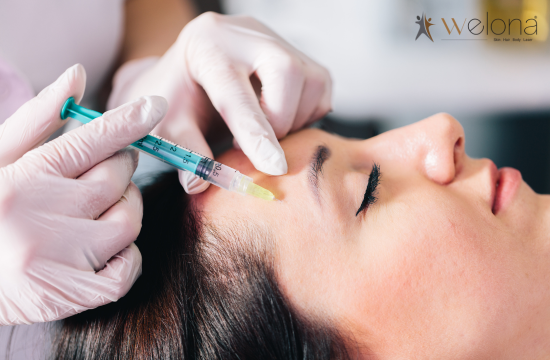
Understanding MNRF and Its Role in Skin Rejuvenation
MNRF stands for Microneedling Radiofrequency. It is also known as RF microneedling or fractional radiofrequency microneedling.
The treatment combines two techniques:
- Microneedling: Fine needles create controlled micro-injuries in the skin.
- Radiofrequency energy: RF energy travels through the needles and generates controlled heat within targeted tissue.
Together, these create mechanical and thermal stimulation that activates the skin’s wound-healing response.
The treatment can be adjusted according to the concern being addressed, including needle depth, energy delivery, and other device settings. Depending on the technology used, RF energy can be delivered beneath the skin’s surface while limiting unnecessary thermal exposure to the epidermis.
You can learn more about MNRF treatment at Welona and how it may be used for acne scars and other skin concerns.
The Science Behind Collagen Stimulation
The dermis contains collagen, elastin, and other components that provide structural support to the skin.
During MNRF treatment, fine microneedles enter the skin at a selected depth, and radiofrequency energy creates controlled thermal zones within the tissue. These changes activate biological pathways involved in repair and remodelling.
Fibroblasts, the cells responsible for producing collagen and other extracellular matrix components, become involved in the healing process.
The process generally involves:
- Fine microneedles enter the skin at a controlled depth.
- Radiofrequency energy is delivered into the targeted tissue.
- Controlled mechanical and thermal stimulation activates the wound-healing response.
- Fibroblasts participate in tissue repair.
- New collagen and elastin formation is encouraged.
- Existing collagen undergoes remodelling over time.
A Study conducted by ncbi that explains that RF-induced thermal changes activate pathways associated with neocollagenesis and neoelastogenesis, the formation of new collagen and elastin.
MNRF does not simply add collagen to the skin during the procedure. It creates controlled conditions that encourage the skin’s own repair and remodelling processes.
Collagen Remodelling and Gradual Skin Improvement
Collagen remodelling is a gradual biological process.
Existing collagen fibres respond to controlled thermal stimulation, while the healing response encourages fibroblasts to produce new extracellular matrix components. Over the following weeks and months, the dermal structure continues to remodel.
Research has detected changes associated with new collagen and elastin formation from around one month after RF treatment, with remodelling continuing afterwards. However, this does not mean every patient will see visible results at the same time.
The degree of improvement depends on factors such as skin condition, age, treatment settings, the concern being treated, and individual healing response.
This gradual process is why MNRF results should be assessed over time rather than immediately after a session.
Skin Concerns That May Benefit From MNRF
Because MNRF encourages dermal remodelling, it may be considered for concerns involving skin texture and structural support.
Depending on individual suitability, treatment may help improve:
- Atrophic acne scars
- Uneven skin texture
- Enlarged-looking pores
- Fine lines and wrinkles
- Mild skin laxity
- Overall skin rejuvenation
For acne scars, collagen remodelling may help improve the appearance of depressed scars by gradually changing the structure of the treated dermis.
However, different scar types respond differently. Deep ice-pick scars, tethered rolling scars, and mixed scar patterns may require other procedures or combination treatments.
A professional assessment is therefore important before deciding whether MNRF is the most suitable approach.
Treatment Sessions and Expected Results
There is no single MNRF treatment schedule that works for everyone.
The number of sessions depends on the primary skin concern, severity of scarring, skin thickness, treatment depth, energy settings, and how the skin responds to previous treatment.
Someone seeking improvement in mild texture concerns may need a different plan from someone undergoing treatment for deeper acne scars.
Visible changes, when they occur, generally develop gradually. Depending on the individual, these may include smoother-looking texture, improved firmness, softer acne scars, and reduced appearance of fine lines.
Research reviews describe RF microneedling-induced dermal remodelling as progressive, with improvements continuing for several months in some studies. Results vary, and a fixed timeline or degree of improvement should not be promised.
Safety Considerations for Indian Skin
MNRF may be considered across different skin phototypes because radiofrequency energy is delivered into targeted tissue rather than relying on melanin as the primary target.
This can make it a useful option for selected concerns in darker skin tones. However, it does not eliminate the risk of complications.
Temporary effects may include redness, swelling, tenderness, sensitivity, and small areas of crusting. Post-inflammatory hyperpigmentation can also occur, particularly in skin that is prone to pigmentary changes.
The choice of device, needle depth, RF energy, treatment technique, and aftercare remains important for Indian skin.
Important Medical Safety Information
RF microneedling is a medical procedure and should be performed by an appropriately trained, licensed healthcare professional.
The U.S. FDA issued a safety communication in October 2025 warning that serious complications have been reported with certain uses of RF microneedling devices, including burns, scarring, fat loss, disfigurement, and nerve damage. These reports do not mean that every patient will experience complications, but they reinforce the importance of appropriate device selection, treatment settings, and professional expertise.
Before treatment, discuss your medical history, skin concerns, expected benefits, possible risks, and alternative options with your dermatologist.
RF microneedling should not be attempted at home. If you experience severe or worsening pain, blistering, unusual swelling, signs of infection, or other concerning symptoms after treatment, contact your treating healthcare professional promptly.
Recovery and Post-Treatment Care
Recovery depends on the device, treatment intensity, area treated, and individual skin response.
Your skin may feel warm, red, or sensitive after treatment. Your dermatologist should provide instructions on cleansing, moisturising, sun protection, and when to resume active skincare products.
General aftercare may include:
- Keeping the treated skin clean and appropriately moisturised
- Avoiding picking or scratching
- Protecting the skin from unnecessary sun exposure
- Avoiding irritating skincare products until advised
- Following the recommended aftercare routine
- Attending follow-up appointments when required
Do not assume that stronger treatment or more frequent sessions will automatically produce better results. Your skin needs sufficient time to recover and remodel.
Personalised MNRF Treatment at Welona Chennai
Good MNRF treatment is not simply about using microneedles and radiofrequency. Where the energy is delivered, how deep the needles go, and how the settings are selected all matter.
At Welona, treatment begins with an assessment of your skin and the concern you want to address.
Whether you are concerned about acne scars, uneven texture, enlarged-looking pores, fine lines, or loss of firmness, the treatment plan can be selected according to your skin’s individual requirements.
MNRF may also form part of a broader skin-rejuvenation plan. You can explore Welona’s skin treatments to understand the different options available for your skin concerns.
Final Thoughts
MNRF combines controlled microneedling with radiofrequency energy to create mechanical and thermal stimulation within targeted skin layers. This activates the natural wound-healing response and encourages collagen and elastin production and remodelling.
The key is gradual improvement. MNRF does not instantly replace lost collagen or guarantee a particular result. Its suitability depends on your skin condition, treatment goals, and individual response.
A professional assessment can help determine whether MNRF is appropriate and what results and recovery you can realistically expect.
Book an appointment with Welona for a personalised skin assessment and treatment plan.
Frequently Asked Questions
1. Does MNRF really increase collagen?
MNRF is designed to stimulate collagen remodelling and new collagen formation through controlled mechanical and thermal stimulation within the skin. Research has demonstrated biological changes associated with neocollagenesis and neoelastogenesis. However, the degree of clinical improvement varies between individuals.
2. How soon can I see results after MNRF?
Some changes may become noticeable within the weeks following treatment, but collagen remodelling is gradual. Research has detected changes associated with new collagen and elastin formation from around one month after treatment, with remodelling continuing afterwards. Your visible results will depend on your skin, treatment settings, and individual response.
3. Is MNRF good for acne scars?
MNRF may help improve selected atrophic acne scars through collagen remodelling. Results depend on scar type, depth, skin characteristics, and treatment protocol. Some scars may require other procedures or combination treatments, so a professional scar assessment is important.
4. Is MNRF suitable for Indian skin?
MNRF can be considered for different skin phototypes because radiofrequency energy is delivered into targeted tissue rather than primarily targeting melanin. However, darker skin may still be prone to post-inflammatory hyperpigmentation, and serious complications have been reported with certain RF microneedling uses. Appropriate device selection, treatment settings, and professional expertise are essential.