
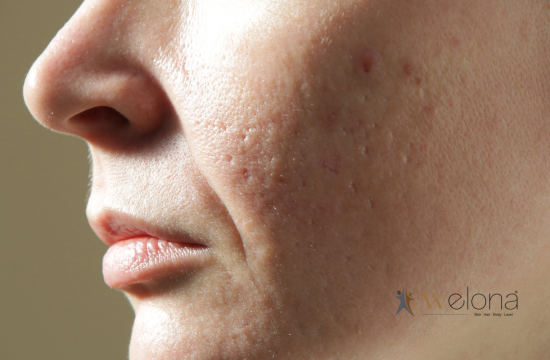
Open pores are one of the most common skin concerns, especially among people with oily or combination skin. While pores cannot be permanently closed because they are a natural part of the skin, their appearance can be significantly reduced with the right skincare and dermatologist-led treatments. Factors such as genetics, excess oil production, ageing, sun damage, and acne can make pores appear larger over time. Treatments like medical-grade skincare, chemical peels, Microneedling Radiofrequency (MNRF), and laser resurfacing can help improve skin texture and minimise the appearance of enlarged pores.
Open Pores: Causes, Treatments, and What Actually Works
If you’ve ever looked closely in the mirror and felt that your skin resembles the texture of an orange peel, you’re not alone.
Enlarged or “open” pores are one of the most common reasons people visit a dermatologist. They can make the skin look uneven, trap oil and dirt, and become more noticeable under makeup or in photographs.
With so many products claiming to “close pores” instantly, it’s easy to believe that there’s a quick fix. Unfortunately, that’s one of the biggest myths in skincare.
The truth is that pores are a normal part of healthy skin. You can’t permanently close them, but you can make them appear much smaller by understanding what causes them to enlarge and choosing treatments that actually work.
Understanding Pores
Pores are tiny openings on the surface of your skin that connect to hair follicles and oil glands.
Their job is simple but essential. They allow sebum, your skin’s natural oil, to reach the surface and keep the skin soft, protected, and hydrated.
Without pores, your skin wouldn’t function properly.
The problem isn’t having pores. Everyone has them. The concern arises when they become enlarged and more visible.
Why Do Pores Look Larger?
Several factors influence the size and appearance of pores.
Research published in the Journal of Clinical and Aesthetic Dermatology highlights that enlarged facial pores are influenced by factors such as increased sebum production, reduced skin elasticity, ageing, and acne. It also supports collagen-stimulating treatments and medical skincare as effective approaches to improving their appearance.
Genetics
For many people, pore size is inherited.
If your parents have oily skin and visible pores, there’s a good chance you’ll have them too.
While genetics can’t be changed, the appearance of pores can often be improved.
Excess Oil Production
People with oily skin naturally produce more sebum.
When excess oil mixes with dead skin cells, the pores stretch to allow this material to reach the skin’s surface, making them appear larger.
Ageing and Collagen Loss
As we age, the skin gradually loses collagen and elastin, the proteins responsible for keeping it firm and resilient.
When the skin loses structural support, pores become more noticeable because the surrounding tissue no longer holds them as tightly.
This is one reason enlarged pores often become more prominent with age.
Sun Damage
Repeated sun exposure accelerates collagen breakdown.
Over time, this weakens the skin’s support structure and contributes to enlarged pores and uneven texture.
Daily sunscreen use plays an important role in preventing this process.
Acne and Repeated Inflammation
Persistent acne can stretch pores and damage surrounding collagen.
Picking or squeezing pimples may worsen inflammation and increase the likelihood of enlarged pores and acne scars.
Can You Permanently Close Open Pores?
This is probably the biggest misconception surrounding pore treatments.
The simple answer is no.
Pores are permanent structures within the skin. They cannot be opened or closed like doors.
What treatments actually do is reduce their appearance by:
- Controlling excess oil
- Improving collagen production
- Smoothing skin texture
- Removing dead skin buildup
- Tightening the surrounding skin
With the right approach, pores can become far less noticeable.
What Actually Works for Enlarged Pores?
Medical-Grade Skincare
The foundation of pore treatment starts with the right skincare.
Dermatologists often recommend ingredients such as:
- Retinoids
- Salicylic acid
- Niacinamide
- Glycolic acid
These ingredients help regulate oil production, encourage cell turnover, and improve overall skin texture.
Chemical Peels
Chemical peels gently exfoliate the outer layers of the skin, helping remove dead skin cells that can clog and stretch pores.
They also improve skin tone and texture while stimulating gradual skin renewal.
Patients with oily, acne-prone skin often benefit from a series of superficial chemical peels.
Microneedling Radiofrequency (MNRF)
One of the most effective treatments for enlarged pores is Microneedling Radiofrequency (MNRF).
Tiny insulated needles deliver controlled radiofrequency energy into the deeper layers of the skin.
This stimulates collagen production around the pores, helping tighten the surrounding tissue and improve overall skin texture.
MNRF is especially beneficial for patients who have:
- Enlarged pores
- Acne scars
- Oily skin
- Uneven texture
Because it treats multiple concerns simultaneously, it has become one of the most popular dermatologist-recommended procedures.
Related Reading: MNRF vs CO₂ Laser: Which Is Better for Acne Scars?
CO₂ Laser Resurfacing
For patients with enlarged pores accompanied by acne scars or significant texture changes, CO₂ Laser Resurfacing may be recommended.
The laser creates controlled microscopic injuries that stimulate collagen remodeling and skin renewal.
As new collagen forms, the skin becomes firmer, smoother, and pores appear less prominent.
What Doesn’t Work?
The skincare industry is filled with products promising to “shrink pores overnight.”
Unfortunately, many claims are exaggerated.
Common myths include:
- Toothpaste tightens pores permanently.
- Ice cubes permanently close pores.
- DIY scrubs make pores disappear.
- Steam opens and closes pores.
While some of these methods may temporarily change the skin’s appearance, none permanently alter pore size.
Daily Habits That Help
Professional treatments work best when supported by a good skincare routine.
Simple habits that can make a difference include:
- Cleansing twice daily with a gentle cleanser.
- Wearing sunscreen every day.
- Using non-comedogenic skincare products.
- Avoiding aggressive scrubbing.
- Treating acne early to prevent long-term damage.
Consistency is often more important than using multiple products.
Open Pore Treatment at Welona Chennai
At Welona Skin, Hair, Laser and Body Clinic, treatment begins with identifying why your pores appear enlarged.
During the consultation, dermatologists assess:
- Skin type
- Oil production
- Acne history
- Collagen quality
- Sun damage
- Overall skin texture
Based on this evaluation, a personalised treatment plan may include:
- Medical-grade skincare
- Chemical peels
- Microneedling Radiofrequency (MNRF)
- CO₂ Laser Resurfacing
- Combination therapies
The aim is not simply to improve pore appearance but also to enhance overall skin quality and long-term skin health.
To Wrap It Up
Enlarged pores are completely normal, and almost everyone has them to some degree. The goal shouldn’t be to “close” pores because that’s simply not possible. Instead, focus on improving the health and structure of your skin.
With the right skincare, sun protection, and dermatologist-guided treatments such as MNRF, chemical peels, or laser resurfacing, pores can become much less noticeable, leaving your skin looking smoother, healthier, and more refined. Book your appointment with Welona experts and get a skin analysis today.
FAQs
Can open pores disappear completely?
No. Pores are a natural part of the skin, but their appearance can be significantly reduced.
Which treatment is best for open pores?
The best treatment depends on your skin type and the cause of enlarged pores. MNRF, chemical peels, and CO₂ Laser are among the most effective options.
Does oily skin cause enlarged pores?
Excess oil production can make pores appear larger because they stretch to release sebum.
Are pore strips a permanent solution?
No. Pore strips temporarily remove surface debris but do not reduce pore size.
How long does it take to see improvement?
Medical skincare may show gradual improvement over several weeks, while collagen-stimulating procedures continue improving skin texture over several months.