

Neck pigmentation is a common skin concern that can affect people of all ages and skin types. While it is often associated with sun exposure and friction, it may also be linked to hormonal changes, insulin resistance, obesity, certain medications, or underlying medical conditions such as acanthosis nigricans. The right treatment depends on identifying the cause rather than simply trying to lighten the skin. Dermatologist-guided treatments, including medical-grade skincare, chemical peels, laser therapies, and lifestyle modifications, can help improve neck pigmentation safely and effectively.
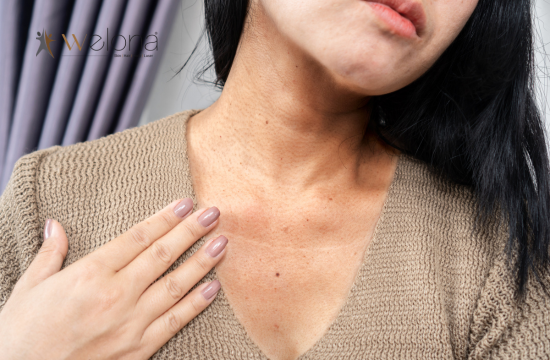
Neck Pigmentation: Causes and Treatment Options at Welona
Have you ever noticed that the skin on your neck looks noticeably darker than your face?
It’s a concern that many people experience, yet few understand why it happens. Some assume it’s caused by poor hygiene, while others spend months scrubbing the area or trying home remedies that promise instant results.
In reality, neck pigmentation is rarely caused by dirt or inadequate cleansing.
The skin on your neck can darken for several reasons, ranging from sun exposure and friction to hormonal changes and certain medical conditions. Treating it successfully begins with understanding what’s causing it.
If you’ve been wondering why your neck appears darker despite regular skincare, this guide will help you understand the possible causes, available treatments, and what actually works.
What Is Neck Pigmentation?
Neck pigmentation refers to the darkening of the skin on the front, sides, or back of the neck due to increased melanin production or changes within the skin.
It may appear as:
- Light brown patches
- Dark brown or greyish discoloration
- Uneven skin tone
- Velvety thickened skin in some individuals
The appearance often provides important clues about the underlying cause.
What Causes Neck Pigmentation?
There isn’t a single reason why neck pigmentation develops. In many cases, several factors work together.
Sun Exposure
Repeated UV exposure stimulates melanin production, leading to gradual tanning and pigmentation over time.
Friction
Constant rubbing from shirt collars, jewellery, scarves, or skin folds can irritate the skin.
Repeated friction may trigger post-inflammatory pigmentation, especially in individuals with darker skin tones.
Hormonal Changes
Hormonal fluctuations can increase melanin production and contribute to pigmentation.
This is sometimes seen during:
- Pregnancy
- PCOS
- Certain hormonal disorders
Hormonal pigmentation often requires a combination of medical treatment and skincare.
Insulin Resistance and Acanthosis Nigricans
One of the most important causes of neck pigmentation is acanthosis nigricans.
This condition causes dark, velvety skin that commonly appears on the neck, underarms, and body folds.
It is frequently associated with:
- Insulin resistance
- Obesity
- Prediabetes
- Type 2 diabetes
- PCOS
In these situations, treating the underlying medical condition is just as important as improving the skin itself.
Post-Inflammatory Pigmentation
Skin irritation caused by eczema, allergic reactions, harsh skincare products, or repeated scratching can leave behind persistent dark patches.
Once the inflammation settles, the pigmentation may gradually improve, although professional treatment is sometimes needed.
Ageing and Lifestyle Factors
As we age, cumulative sun damage, pollution, and environmental stressors can contribute to uneven pigmentation.
Smoking and poor skincare habits may also affect overall skin health.
Why Home Remedies Usually Don’t Work
Many people try lemon juice, baking soda, toothpaste, or vigorous scrubbing to lighten the neck.
Unfortunately, these methods often do more harm than good.
The neck has delicate skin that can become easily irritated. Repeated irritation may increase inflammation and actually worsen pigmentation.
Successful treatment focuses on addressing the underlying cause rather than simply trying to bleach the skin.
How Dermatologists Diagnose Neck Pigmentation
Before recommending treatment, dermatologists evaluate several factors, including:
- The pattern of pigmentation
- Skin texture
- Medical history
- Lifestyle habits
- Hormonal factors
- Signs of insulin resistance or acanthosis nigricans
This comprehensive assessment helps determine the most appropriate treatment plan.
Treatment Options That Actually Work
The right treatment depends on the underlying cause and severity of pigmentation.
Medical-Grade Skincare
Prescription skincare may include ingredients that help regulate melanin production and improve skin renewal, such as:
- Retinoids
- Azelaic acid
- Kojic acid
- Niacinamide
- Vitamin C
These products work gradually and are often combined with in-clinic treatments.
Chemical Peels
Chemical peels gently exfoliate the skin, remove damaged surface cells, and promote healthier skin renewal.
They are particularly effective for:
- Mild to moderate pigmentation
- Uneven skin tone
- Sun-induced pigmentation
A series of treatments generally provides the best results.
Laser Treatments
When pigmentation is more stubborn or deeper within the skin, laser treatments may be recommended.
Q-Switched Laser Toning can help target excess melanin while improving overall skin clarity and tone.
Laser treatment is always selected based on the individual’s skin type and pigmentation pattern.
Treating the Underlying Cause
If neck pigmentation is associated with insulin resistance, PCOS, or acanthosis nigricans, treating these conditions plays a crucial role in achieving lasting improvement.
Without addressing the underlying trigger, pigmentation may continue to recur despite cosmetic treatments.
According to the American Academy of Dermatology, acanthosis nigricans commonly causes dark, velvety skin on the neck and may be associated with insulin resistance and other underlying medical conditions.
Can Neck Pigmentation Be Removed Permanently?
This depends on the cause.
Pigmentation caused by tanning or mild inflammation often improves significantly with appropriate treatment and sun protection.
However, if the pigmentation is linked to hormonal or metabolic conditions, long-term management may be necessary to prevent recurrence.
The goal is not only to lighten existing pigmentation but also to reduce the factors that contribute to its return.
Neck Pigmentation Treatment at Welona Chennai
At Welona Skin, Hair, Body & Laser Clinic, treatment begins with identifying why the pigmentation developed.
Rather than offering the same treatment to every patient, dermatologists evaluate your skin type, medical history, lifestyle, and possible underlying conditions before creating a personalised treatment plan.
Depending on the diagnosis, treatment may include:
- Medical-grade skincare
- Chemical peels
- Q-Switched Laser Toning
- Lifestyle guidance
- Management of underlying hormonal or metabolic conditions
This comprehensive approach helps achieve safer, more natural-looking, and longer-lasting results.
To Wrap It Up
Neck pigmentation is more than just a cosmetic concern. In some cases, it can be an early sign of an underlying health condition that deserves attention.
Rather than relying on home remedies or harsh scrubs, it’s important to identify the cause and choose treatments that are both safe and effective. With the right diagnosis and a personalised treatment plan, most patients can achieve a more even skin tone while improving the overall health of their skin. Book your consultation today!
FAQs
Why is my neck darker than my face?
Common causes include sun exposure, friction, hormonal changes, insulin resistance, and acanthosis nigricans.
Can neck pigmentation be treated?
Yes. Most cases can be improved with the right combination of skincare, professional treatments, and management of underlying causes.
Is neck pigmentation caused by poor hygiene?
No. Neck pigmentation is usually related to excess melanin production or an underlying medical condition rather than inadequate cleansing.
Which treatment works best for neck pigmentation?
The best treatment depends on the cause. Medical-grade skincare, chemical peels, and laser treatments are commonly recommended by dermatologists.
When should I see a dermatologist?
If the pigmentation develops suddenly, continues to worsen, or is associated with thickened, velvety skin, it’s important to seek a medical evaluation.