
Dark spots, sun spots and uneven pigmentation can sometimes persist despite months of skincare because the pigment isn’t always at the surface.
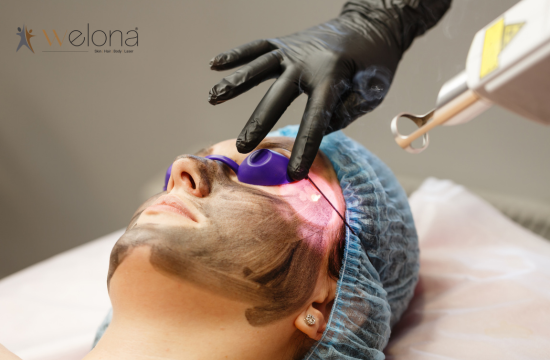
Q-switched laser for pigmentation may be considered in such cases because it works differently — it doesn’t just remove the top layer of skin. It delivers very short, concentrated pulses of energy that are absorbed by melanin, the pigment responsible for many dark spots. This rapid energy disrupts pigment-containing structures and breaks the pigment into smaller particles, which the body can then gradually clear through its natural processes. Over time, this may make dark spots appear lighter and skin tone more even, though results depend on the cause and depth of the pigmentation and your individual skin type, so it’s best discussed with a qualified dermatologist.
Understanding Skin Pigmentation
Melanin is the natural pigment that gives your skin, hair, and eyes their colour. It is produced by specialised cells called melanocytes.
Pigmentation becomes noticeable when melanin is produced or distributed unevenly in certain areas of the skin.
Common pigmentation concerns include:
- Sun spots
- Freckles
- Post-inflammatory hyperpigmentation
- Certain birthmarks
- Uneven patches of pigmentation
- Melasma
These conditions do not all behave in the same way. Some pigment is located closer to the skin’s surface, while other pigment may lie deeper within the skin.
For example, post-acne marks, melasma, and sun spots may look similar to a patient but have different underlying causes. Identifying the type and depth of pigmentation is therefore an important first step in treatment planning.
Pigmentation can also occur alongside dryness, dehydration, and lack of radiance. If your skin looks tired or lacks its usual glow, understanding the difference between pigmentation and skin dullness and dehydration can help you identify what your skin may actually need.
The Science Behind Q-Switched Laser Treatment
Q-switched treatment deliver a large amount of energy in extremely short pulses, commonly measured in nanoseconds.
The term “Q-switching” refers to the mechanism that allows the laser to store energy and release it in a short, powerful burst.
When the selected wavelength reaches a pigmented area, melanin absorbs the laser energy. The rapid delivery of energy can produce selective thermal and photoacoustic effects that disrupt pigment-containing structures.
The process generally involves:
- Laser energy is directed at the targeted pigmented area.
- Melanin absorbs the selected wavelength.
- The short pulse creates rapid energy changes within the pigment.
- Pigment-containing structures are disrupted.
- The fragmented pigment is gradually cleared through the body’s natural processes.
- The treated area may progressively appear lighter.
A Study conducted by ncbi that discusses the use of Q-switched lasers for pigmented lesions and explains how wavelength and pulse duration contribute to selective pigment targeting.
The treatment does not simply scrape or peel pigmentation away. Its purpose is to deliver energy to a specific target while limiting unnecessary effects on surrounding tissue.
The Importance of Laser Wavelengths
Different wavelengths behave differently within the skin. This matters because pigmentation can occur at different depths.
Q-switched Nd laser systems commonly use wavelengths such as 532 nm and 1064 nm.
532 nm wavelength: This wavelength is generally used for more superficial pigmentation because it does not penetrate as deeply into the skin.
1064 nm wavelength: This wavelength penetrates more deeply and may be considered for selected deeper pigmentation concerns. Its characteristics can also make it useful for certain treatments in darker skin tones when appropriate parameters are selected.
The correct wavelength depends on the diagnosis, pigment depth, skin tone, and treatment objective. Using the same settings for every patient is not an appropriate approach.
Pigmentation Concerns That May Benefit
Q-switched lasers may be considered for several pigmentary conditions, but they are not suitable for every dark spot or patch.
Depending on the diagnosis, treatment may be considered for:
- Certain sun-induced pigmentation
- Freckles and lentigines
- Selected types of post-inflammatory pigmentation
- Certain dermal pigmentation
- Nevus of Ota and some other pigmented lesions
The response varies according to the type of pigment, its depth, and the individual’s skin characteristics.
Special Considerations for Melasma
Melasma requires particular caution because it is a complex and often recurring pigmentation condition.
It may be influenced by factors such as sun exposure, hormonal changes, and genetic predisposition. Excessive heat or inflammation can sometimes worsen pigmentation rather than improve it.
For this reason, Q-switched laser treatment for melasma may be considered only as part of an appropriate treatment strategy. It should not be presented as a guaranteed or permanent solution.
A dermatologist may recommend other treatments, skincare measures, or a combination approach depending on the condition.
Safety Considerations for Indian Skin
Q-switched laser treatment can be used for selected pigmentation concerns in Indian skin, but careful patient selection and treatment parameters are particularly important.
Darker skin phototypes contain more epidermal melanin, which can increase the risk of unwanted pigmentary changes when inappropriate wavelengths or aggressive settings are used.
Potential side effects may include:
- Temporary redness or irritation
- Post-inflammatory hyperpigmentation
- Hypopigmentation
- Uneven skin colour
- Recurrence or worsening of certain pigmentation conditions
This does not mean laser treatment is unsuitable for Indian skin. It means the technology, wavelength, energy settings, and treatment approach should be selected according to the individual’s skin type and pigmentation concern.
A qualified dermatologist should assess the skin before recommending treatment, particularly when pigmentation is widespread, recurrent, or difficult to diagnose.
Treatment Sessions and Expected Results
There is no universal number of Q-switched laser sessions that works for everyone.
Some superficial pigmented lesions may respond differently from deeper or more complex pigmentation. The treatment plan depends on several factors, including:
- Type and depth of pigmentation
- Skin tone
- Treatment area
- Laser wavelength and settings
- Previous treatments
- Sun exposure
- Individual response to treatment
Pigmentation usually changes gradually. Some treated spots may lighten over time, while other conditions may require multiple sessions or additional treatment approaches.
Progress should be assessed between sessions rather than assuming that more treatments will automatically produce better results.
The aim is to improve pigmentation while balancing effectiveness with skin safety.
Recovery and Post-Treatment Care
Your experience after Q-switched laser treatment will depend on the pigmentation being treated and the settings used.
Temporary redness, warmth, or mild sensitivity may occur. Some targeted pigmented spots can appear darker before they gradually lighten or shed.
Your dermatologist may recommend a suitable skincare routine and provide instructions on cleansing, moisturising, sun protection, and when to resume active skincare products.
Sun protection is particularly important because UV exposure can stimulate melanin production and contribute to pigmentation returning or becoming darker.
Avoid picking or scratching treated areas, and follow the aftercare instructions provided by your treating practitioner.
If you experience severe pain, blistering, significant swelling, or other concerning symptoms after treatment, contact your dermatologist promptly.
Personalised Pigmentation Treatment at Welona Chennai
Pigmentation treatment should begin with understanding the cause of the concern rather than immediately selecting a laser.
At Welona, the approach starts with assessing your skin and identifying the type, depth, and possible cause of pigmentation before recommending an appropriate treatment plan.
Depending on your skin and pigmentation concern, your plan may include Q-switched laser treatment or a combination of suitable skin treatments and professional skincare guidance.
The aim is not simply to erase a dark spot, but to manage pigmentation while considering your skin type, treatment goals, and the possibility of recurrence.
You can explore Welona’s skin and pigmentation treatments to learn more about the treatment options available.
Final Thoughts
Q-switched lasers use extremely short pulses of energy to target melanin within selected pigmented areas. This can disrupt pigment-containing structures and support the gradual clearance of unwanted pigment.
However, successful pigmentation treatment involves more than choosing a laser. Correct diagnosis, appropriate wavelength selection, carefully chosen settings, sun protection, and a personalised treatment plan all contribute to safer and more effective care.
Not every type of pigmentation responds in the same way, and complete or permanent removal should not be promised.
If you are concerned about persistent pigmentation or want to understand whether Q-switched laser treatment is suitable for your skin, book an appointment with Welona for a personalised skin assessment and pigmentation treatment plan.
Frequently Asked Questions
1. Is Q-switched laser good for pigmentation?
Q-switched lasers can be effective for selected types of pigmentation because they target melanin within the skin. However, effectiveness depends on the type and depth of pigmentation, skin tone, and treatment parameters. A professional assessment should determine whether the treatment is appropriate for you.
2. How many Q-switched laser sessions are required for pigmentation?
The number of sessions varies according to the pigmentation concern, its depth, skin tone, and individual response. Superficial spots, deeper pigmentation, and complex conditions such as melasma may respond differently. Your dermatologist can recommend a suitable treatment schedule after assessing your skin.
3. Can pigmentation come back after Q-switched laser treatment?
Yes, some pigmentation can return, particularly when its underlying triggers remain. Sun exposure, hormonal influences, inflammation, and conditions such as melasma can contribute to recurrence. Consistent sun protection and appropriate maintenance care are important.
4. Is Q-switched laser suitable for Indian skin?
Q-switched Nd lasers can be used for selected pigmentation concerns in Indian skin when appropriate wavelengths, settings, and treatment protocols are chosen. Because darker skin phototypes may have a greater risk of pigmentary complications, professional assessment and careful treatment parameters are particularly important.